
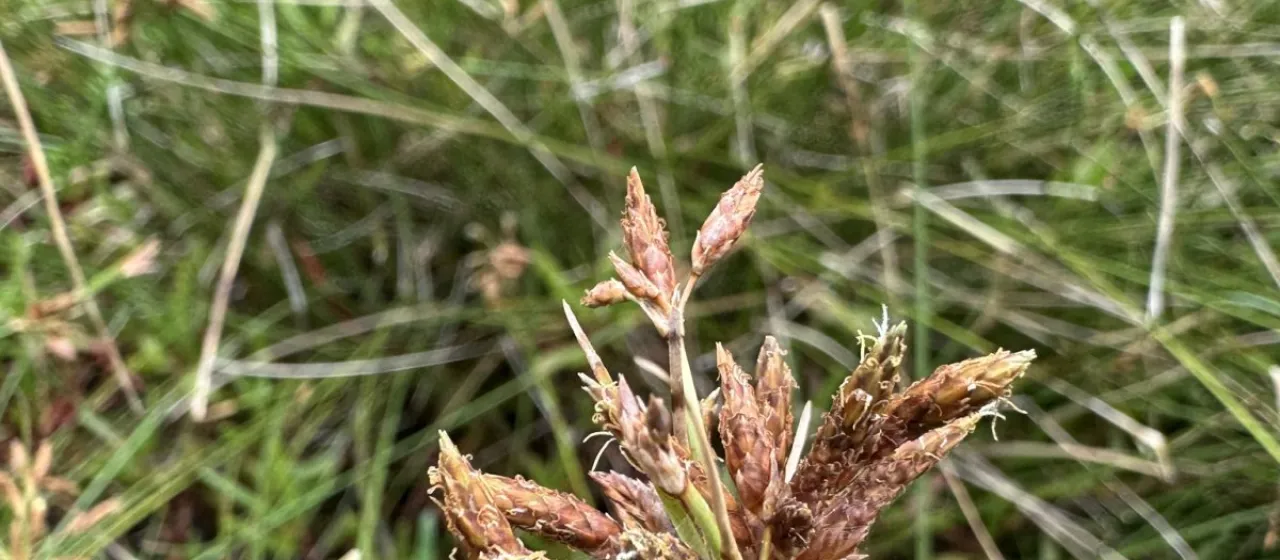
Description
Fimbristylis sieberiana is a perennial herbaceous plant belonging to the Cyperaceae family. It is a specialized species that thrives in wetland environments, playing a significant role in the botanical composition of damp meadows and riparian zones within its native habitats.
The plant originates from tropical and subtropical regions, primarily throughout Asia and Australia. It is typically found in habitats such as floodplains, marshy grasslands, and areas adjacent to ponds and streams, where seasonal water saturation is a defining characteristic of the landscape.
Morphologically, this species is characterized by its slender, erect stems and grass-like basal leaves. The inflorescence consists of distinct, terminal, umbel-like clusters of spikelets. Its root system is fibrous and dense, providing stability and facilitating nutrient absorption in saturated, often anaerobic soil conditions.
The cultivation of this plant requires high soil moisture levels and consistent exposure to light. It prefers rich, loamy or organic-rich soils typical of alluvial plains. Agrotechnical management involves maintaining appropriate water levels, as the species is highly sensitive to soil desiccation, which can lead to rapid decline.
Economically, Fimbristylis sieberiana is valued for its environmental services, including erosion control and soil stabilization in wet areas. While not a primary commercial crop, it serves as an important component of natural forage in specific grazing systems and is studied for its potential in managing saline or waterlogged lands.
- High tolerance for waterlogged soils
- Perennial growth habit
- Dense fibrous root structure
- Distinctive umbel-like inflorescence