
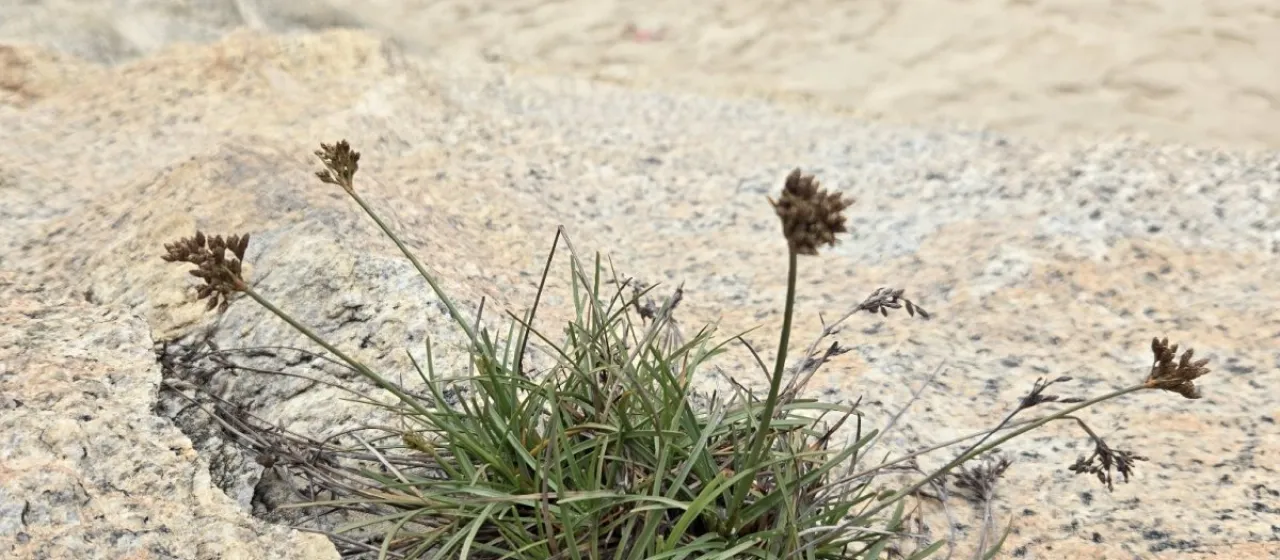
Description
Spatulate fimbristylis (Fimbristylis spathacea) is a robust perennial herb belonging to the Cyperaceae family. Within the agricultural sector, this species is recognized for its ability to thrive in challenging, saline, and waterlogged environments that are typically unsuitable for traditional crops.
The plant originates from the tropical regions of Africa, Asia, and the Pacific Islands. Its natural habitat includes coastal zones, wetlands, and sandy shores. Due to its natural adaptation to high salinity and humidity, it is increasingly valued for land restoration and coastal protection projects in its native range.
Botanically, it forms dense tufts with slender, rigid stems and narrow leaves. The inflorescences are distinct clusters of spikelets produced at the end of the culms. Its root system is exceptionally fibrous and well-developed, allowing the plant to anchor itself firmly in loose, sandy substrates, thereby providing structural support to the soil.
Successful cultivation requires a warm, tropical climate with abundant rainfall or constant moisture access. The plant prefers sandy, well-drained but saturated soils. While it exhibits tolerance to saline conditions, it thrives best when nutrient availability is consistent, requiring minimal intervention once established in its ideal niche.
Main agricultural and industrial uses include:
- Soil stabilization and erosion control in coastal areas.
- Harvesting for artisanal use, such as weaving mats and baskets.
- Providing ecosystem services through biomass production in marginal lands.
- Potentially acting as a supplemental forage source in specific tropical systems.
Common pests and diseases typically involve fungal infections triggered by excessive stagnant water or poor air circulation around the base of the plant. Monitoring for typical lepidopteran larvae or beetles that feed on young shoots is recommended to maintain optimal health and biomass yield in managed stands.