
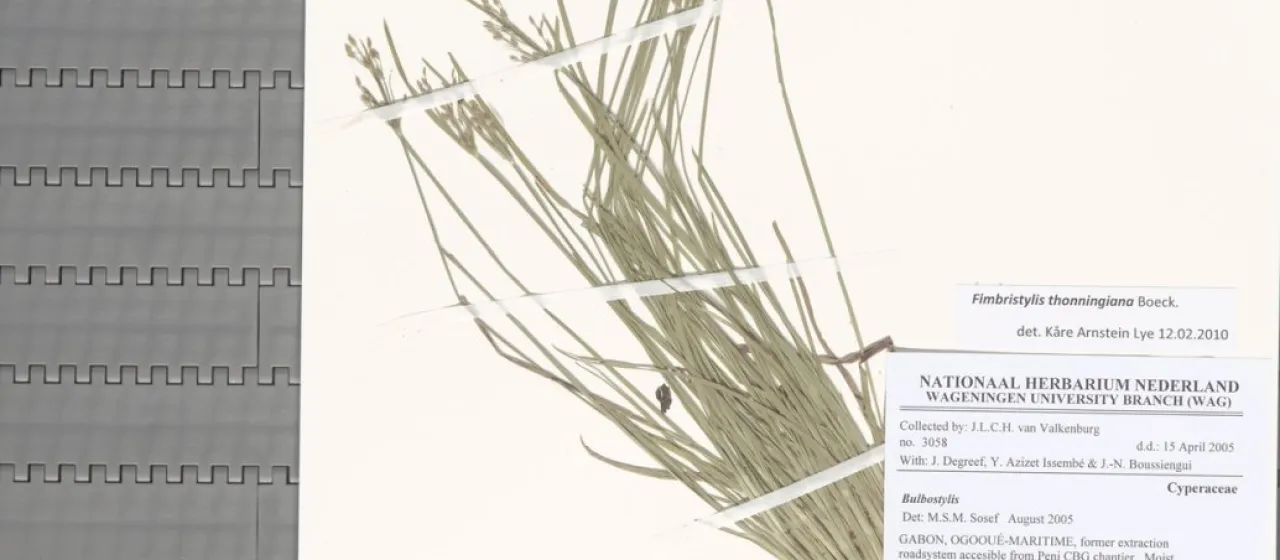
Description
Fimbristylis thonningiana is a perennial herbaceous plant belonging to the Cyperaceae family. In agricultural terms, it is recognized for its adaptation to wetland environments, functioning as a resilient species that thrives in niches where typical cereal crops often fail due to waterlogging.
The plant originates from tropical Africa, where it is natively found in marshes, riverbanks, and seasonally inundated floodplains. Its geographic range is strictly tied to areas with high precipitation or shallow groundwater, reflecting its evolved biological necessity for consistent moisture availability throughout its lifecycle.
Botanically, it is characterized by forming dense, tufted clusters of linear leaves. The reproductive structures are terminal spikelets arranged in umbelliform clusters, which are typical of the Fimbristylis genus. Its root system is fibrous and extensive, designed to provide stability in saturated soil profiles and to facilitate nutrient uptake in reduced oxygen conditions.
The cultivation of Fimbristylis thonningiana requires a climate with high ambient temperatures and consistent moisture levels. It performs best on rich, hydric soils but is also known for its hardiness on poorer, marshy substrates. Agronomic management involves maintaining appropriate water levels and minimizing weed competition during the early establishment phase.
Economically, this plant is primarily valued as a forage crop in tropical regions where livestock require grazing resources on wetland edges. Additionally, it has potential applications in phytoremediation and soil stabilization.
- High resilience to prolonged flooding.
- Valuable source of biomass in wetland zones.
- Adaptable to diverse moisture conditions.
- Minimal demand for conventional mineral fertilizers.
The primary biotic constraints include fungal pathogens that thrive in high-humidity conditions, which can be mitigated through proper water management and spacing. Insect pests, such as leaf-miners or stem-borers, may pose a risk to biomass yield, necessitating regular crop scouting and the application of balanced protection strategies.