
Description
Gahnia xanthocarpa is a robust perennial plant belonging to the Cyperaceae family. It is known for its architectural form, characterized by dense, tufted clusters of tough, strap-like leaves that create a distinct visual impact in any planting scheme.
Native to New Zealand, this species is well-adapted to diverse habitats, ranging from coastal bluffs to forest clearings. Its natural range demonstrates its ability to thrive in environments with reliable moisture and moderate climate conditions, which is crucial for its vigorous growth.
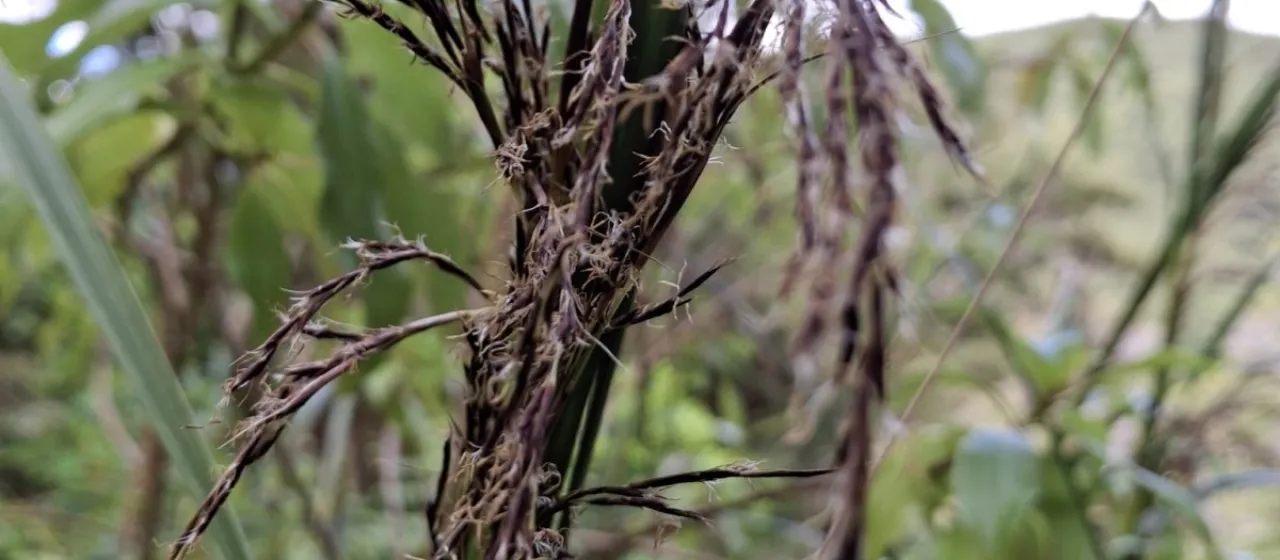
Botanically, the plant is distinguished by its inflorescences, which rise significantly above the foliage, carrying seeds that often exhibit unique coloration. These structures provide seasonal interest, making the plant a preferred choice for gardens seeking textural variety throughout the year.
Regarding cultivation, Gahnia xanthocarpa requires well-drained but moisture-retentive soil, rich in organic matter. While the species is relatively adaptable, it performs best in positions that receive ample light. Proper spacing is essential in landscape designs to ensure adequate air circulation and prevent the buildup of stagnant moisture around the crown.
The primary use of this crop is ornamental, serving as a focal point or a structural plant in naturalistic garden settings. In terms of maintenance, it is generally resistant, but growers should be vigilant against root rot caused by poor drainage. Typical pests include common sucking insects, which should be monitored to ensure the long-term health and vitality of the plant.