
Description
Common hemp-nettle (Latin: Galeopsis segetum Neck.) is an annual herbaceous plant belonging to the Lamiaceae family. While primarily categorized as an agricultural weed in modern farming, it has been historically recognized for its therapeutic potential. Its presence in crop fields often signals specific soil conditions, as the plant prefers nutrient-poor, sandy, or acidic substrates.
The origin of Galeopsis segetum is linked to European agricultural landscapes. It has successfully naturalized across temperate regions, where it frequently occupies cultivated fields, fallow land, and waste ground. The species thrives in cool to moderate climates, demonstrating high resilience to fluctuating moisture levels, which allows it to persist even in difficult environmental conditions.
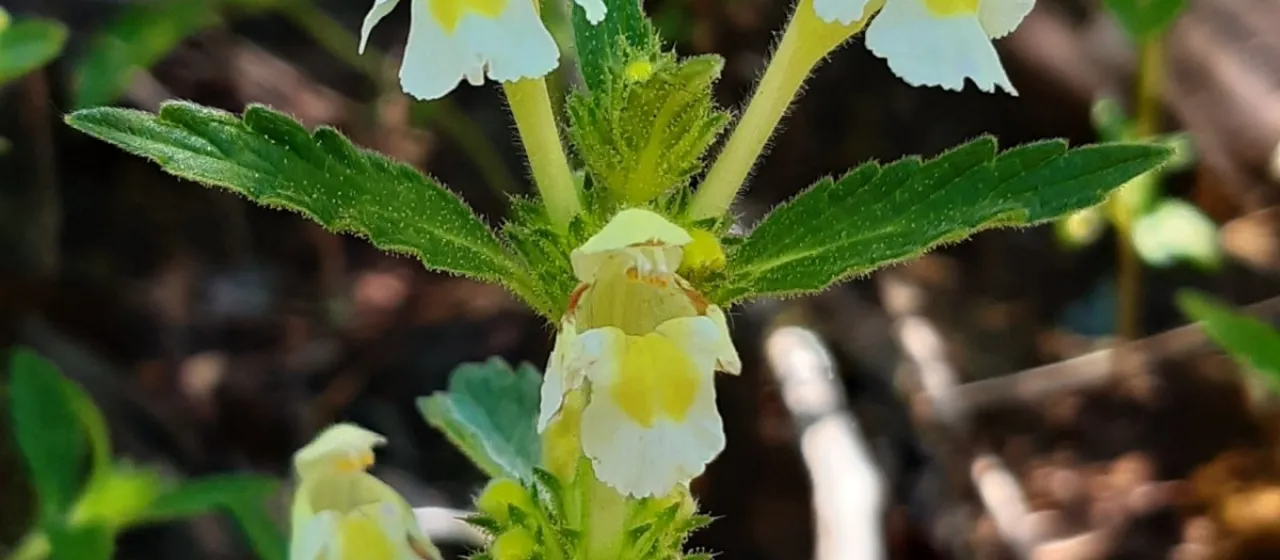
Botanically, the plant grows to a height of approximately 30–60 cm, featuring stems covered in characteristic stiff, bristly hairs. The leaves are ovate-lanceolate with toothed margins, while the inflorescences consist of pale yellow flowers arranged in dense whorls. These structures produce significant amounts of seeds that remain viable in the soil for several years, creating a persistent seed bank.
Agricultural management of this plant requires a comprehensive approach to maintain crop productivity. Since it is highly competitive, early-season intervention is crucial. Key strategies include mechanical cultivation, the use of stale seedbed techniques, and chemical control using herbicides during the seedling stage. Implementing long-term crop rotation is essential to suppress the emergence of new generations.
From a commercial perspective, the plant is harvested for its medicinal properties, particularly in the production of herbal preparations that promote respiratory health due to its silicate content. However, in the context of large-scale agriculture, it is managed as a pest that interferes with the growth of cereals and root crops. Balancing the preservation of its medicinal value with the necessity of field sanitation remains a challenge for modern agronomists.