
Description
Large-flowered hemp-nettle (Galeopsis speciosa Mill.) is an annual herbaceous plant belonging to the Lamiaceae family. In agronomic contexts, it is widely recognized as a persistent weed that competes with cereal and broad-leaved crops for nutrients, sunlight, and moisture, often resulting in significant yield reductions.
The species is native to Europe and parts of Asia, thriving in temperate climates. It is particularly common in fields with fertile, loamy soils that retain moderate moisture. Its ability to colonize agricultural land is enhanced by its high seed production and the long-term dormancy of its seeds, which can persist in the soil bank for many seasons.
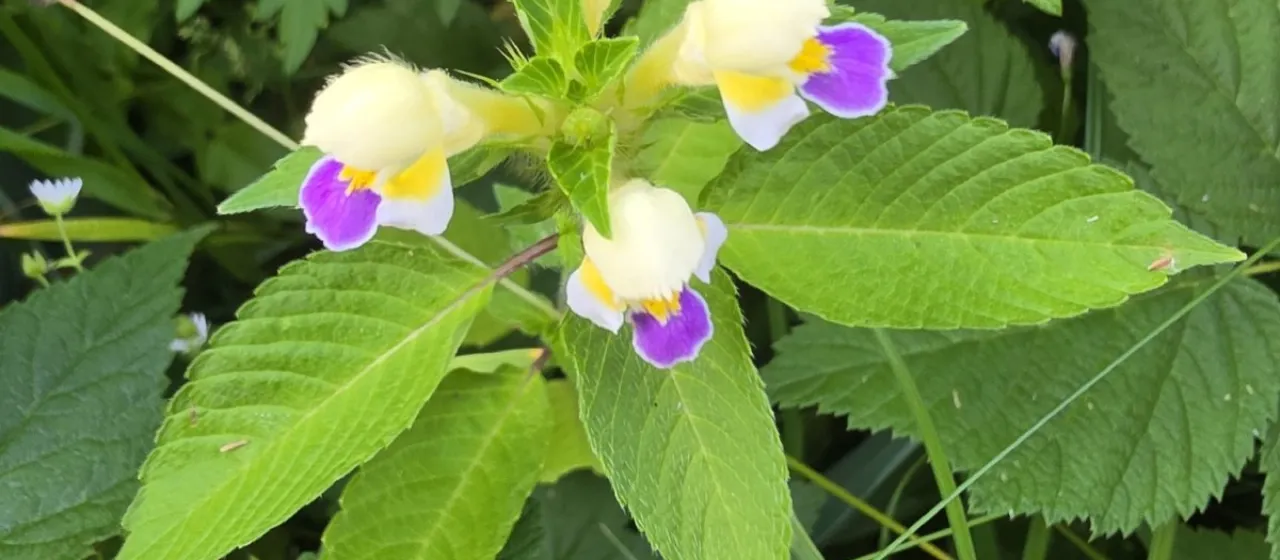
Botanically, the plant is characterized by a square stem covered in stiff, coarse hairs, growing up to 80 cm tall. The leaves are ovate-lanceolate with serrated margins. The most distinguishing feature is its unique flower, which displays a vibrant yellow throat with a purple-spotted lower lip, making it a distinctive element of the field flora.
Effective management requires a combination of cultural and chemical practices. Key strategies include precise tillage, crop rotation, and the application of selective post-emergence herbicides. Agronomists emphasize that controlling the weed in the early stages of its growth cycle is critical to preventing seed dispersal into the soil bank.
While considered a pest in agricultural production, it plays a role in local ecosystems as a late-summer nectar source for various pollinators. However, its potential to harbor certain plant pathogens necessitates vigilant field management. Monitoring for signs of infestation and applying timely control measures remain the primary focus of field-scale weed management programs.