
Description
Gardenia tannaensis is a distinct plant species belonging to the Rubiaceae family. As a member of the diverse Gardenia genus, it possesses specific morphological traits that distinguish it from its more widely known relatives. The species is highly valued in botanical circles for its unique structure and fragrant floral display.
The native range of this species is primarily the island of Tanna, located in the Vanuatu archipelago in the South Pacific. It thrives in tropical environments, often found in humid forest understories and coastal regions where the soil composition is influenced by volcanic or limestone origins. Its wild distribution is restricted, making it a rare find for plant collectors.
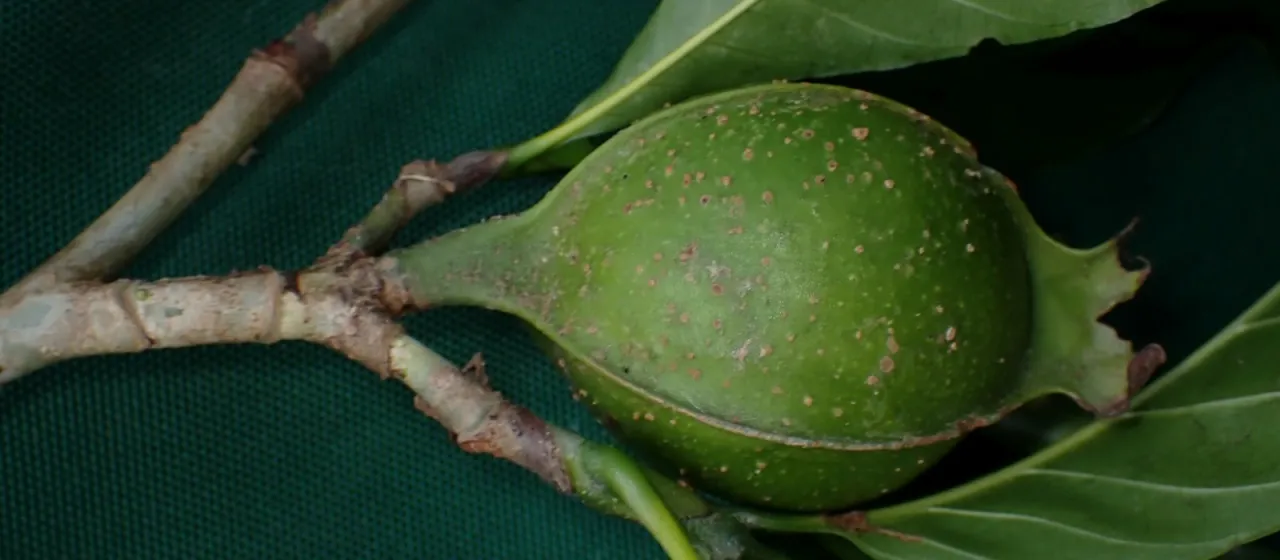
Botanically, the plant is characterized by thick, glossy, evergreen leaves and distinctive, typically fragrant white flowers. The plant follows a perennial growth pattern typical of tropical woody shrubs. Its reproductive biology is adapted to the specific pollinators found within its island habitat, and its fruit development requires precise environmental conditions to reach maturity.
Cultivation requires strict adherence to tropical climate parameters. The plant thrives in well-draining, slightly acidic soil that is rich in organic matter. Sufficient shade is necessary to prevent leaf scorching, as the species is sensitive to intense, direct sunlight. Consistent ambient humidity is critical for maintaining healthy vegetative growth throughout the year.
Key management and maintenance practices include:
- Maintaining high humidity levels in greenhouse or indoor environments.
- Applying regular, balanced fertilization specifically formulated for acid-loving tropical plants.
- Pruning to maintain a desirable aesthetic structure and improve air circulation.
- Continuous monitoring for signs of stress or pest infestations.
From a horticultural perspective, its primary use is within botanical gardens and specialized private collections. The species also serves as a potential genetic resource for hybridizing new cultivars with improved resilience. Common pests, such as aphids and mealybugs, can impact plant vitality, requiring integrated pest management strategies to protect the specimens from decline.