
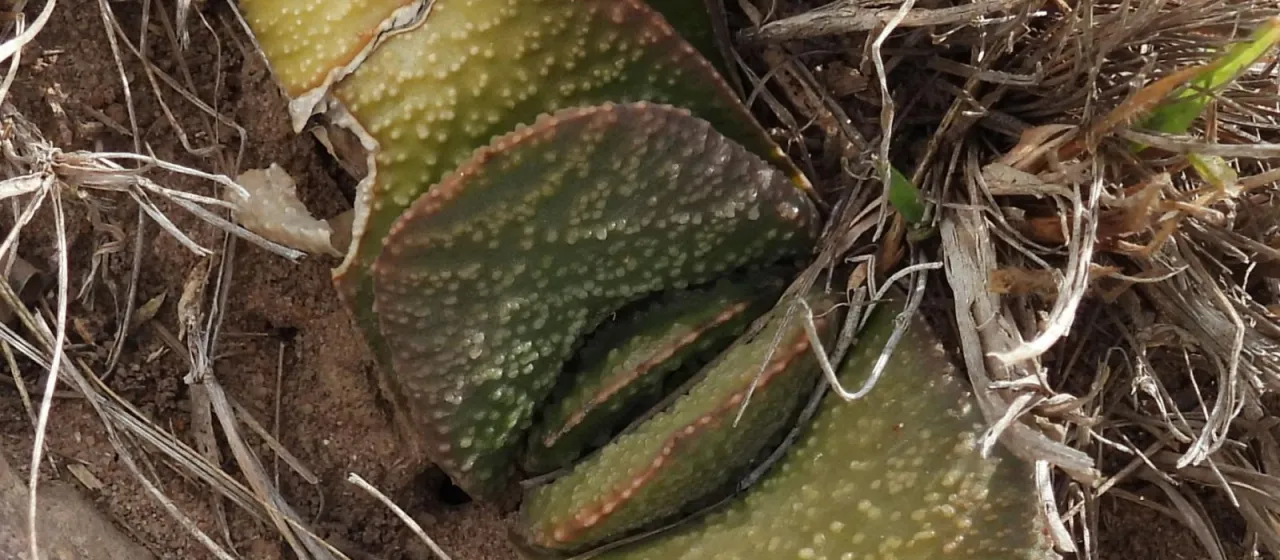
Description
Gasteria nitida is a succulent perennial plant belonging to the Asphodelaceae family. It is recognized by its distinctively glossy, thick, succulent leaves arranged in rosettes. As a xerophytic species, it is highly adapted to arid environments, storing water effectively to survive long periods of drought.
The native distribution area of this species is South Africa, specifically within dry, rocky, and semi-arid regions. Commercially, it is valued as an ornamental crop, primarily cultivated in greenhouse settings or as a container plant for indoor horticultural use. It is widely favored for its resilience and unique aesthetic qualities.
Botanically, Gasteria nitida is characterized by its tongue-shaped leaves that often exhibit subtle mottling or spotting. The plant develops a relatively compact root system, which necessitates the use of well-draining soil mixes to prevent moisture accumulation. Growth is generally slow, emphasizing the need for patience in its cultivation cycle.
Agricultural requirements focus on providing bright, indirect sunlight and a well-aerated, porous growing medium. The plant thrives in temperate climates where temperatures remain within the range of 15°C to 25°C. During the winter, the plant requires a cool, dry dormancy period to maintain vigor and prepare for the flowering season.
- Use of gritty, well-draining succulent soil mix.
- Controlled irrigation with total drying between waterings.
- Placement in bright, filtered light areas.
- Moderate fertilization during the active growing season only.
Common pests include mealybugs and spider mites, which can be managed with biological or mild chemical controls. Diseases, such as fungal root rot, are typically associated with overwatering or poor ventilation. Maintaining a strict sanitation protocol in the growing area is essential for preventing these health issues.