
Chilean avens
Geum quellyon Sweet
Description
Chilean avens (Geum quellyon) is a perennial herbaceous plant belonging to the Rosaceae family. It is widely cultivated in ornamental horticulture for its vibrant, cup-shaped flowers and its ability to provide long-lasting color in various landscape settings.
The plant originates from the mountainous regions of Chile, where it adapted to temperate climates. Over time, it has been successfully introduced to various global regions, becoming a staple in garden design due to its aesthetic appeal and relatively straightforward growth requirements compared to other perennials.
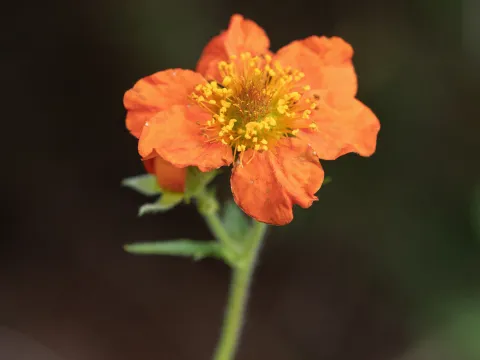
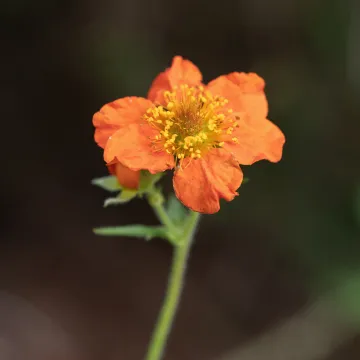
Botanically, Geum quellyon is characterized by a basal rosette of pinnate leaves and tall, branching flower stems. The flowers often feature striking shades of red, orange, and yellow. Depending on the cultivar, the blossoms can range from single-flowered structures to complex, double-flowered forms that offer a higher degree of visual density.
For optimal growth, Chilean avens requires full sun exposure and well-drained, fertile soil. It is particularly sensitive to waterlogged conditions, which can lead to root degradation. Proper agronomic management includes regular fertilization in early spring and the systematic removal of spent flower stems to encourage a second flush of blooms throughout the summer season.
The main challenges in cultivating this species involve susceptibility to fungal pathogens, particularly root rot, and pest infestations such as aphids or spider mites. Maintaining good airflow around the plants and avoiding excessive overhead watering are essential preventative strategies to ensure the longevity and health of the crop in a commercial or home garden setting.
- Thrives in full sun to partial shade.
- Requires well-drained, organic-rich soil.
- Deadheading promotes continuous flowering.
- Dividing the rootstock every few years maintains vigor.
Photo gallery