
Hybrid avens
Geum quellyon Sweet x Geum rivale L.
Description
Hybrid avens (Geum quellyon Sweet x Geum rivale L.) is a perennial herbaceous plant belonging to the Rosaceae family. This ornamental crop is a hybrid cross that successfully combines the vibrant, large flowers characteristic of the Chilean avens with the resilience and cold tolerance inherited from the water avens, resulting in a robust plant for landscape use.
The plant originates from diverse geographical zones, reflecting its parentage from South American and Northern Hemisphere regions. It is highly valued in agriculture and horticulture for its ability to thrive in temperate climates. It demonstrates significant hardiness, usually surviving cold winters, provided that the soil is well-drained and not subject to extreme waterlogging during dormancy.
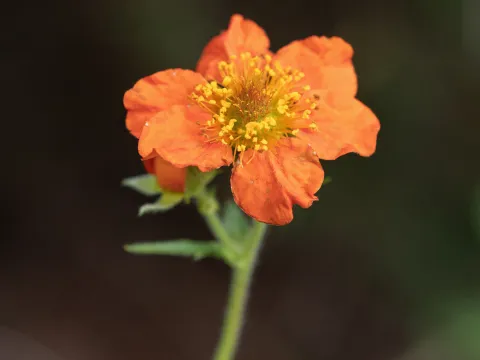
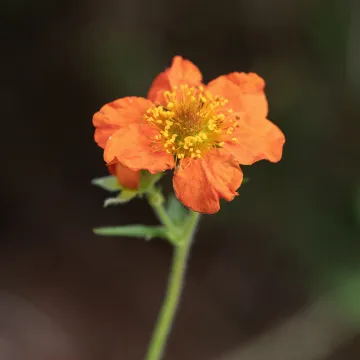
Botanically, the plant is characterized by a basal rosette of pinnate leaves and tall, slender flowering stems that emerge in late spring. The flowers are typically showy, with a wide color palette ranging from deep scarlet and orange to warm yellow hues. The root system is fibrous and hardy, allowing the plant to spread gradually and establish stable clumps over several years.
Agronomic requirements for hybrid avens focus on soil structure and moisture management. It prefers fertile, moist, but well-drained soil rich in organic matter. While the plant can tolerate partial shade, it performs best in full sun or light shade environments. Regular deadheading is a critical maintenance practice that prevents seed formation and encourages the plant to produce a second flush of blossoms.
This crop is primarily used in professional landscaping, borders, and as a cut flower in floral design. Its long stems and striking blooms make it an excellent choice for commercial flower production. As with many Rosaceae, growers must monitor for common issues to ensure crop health, including:
- Aphids, which can infest the developing flower buds.
- Spider mites during prolonged hot and dry weather.
- Powdery mildew if plant spacing is too tight, limiting airflow.
- Root rot caused by poor soil drainage or excessive irrigation.
Photo gallery