
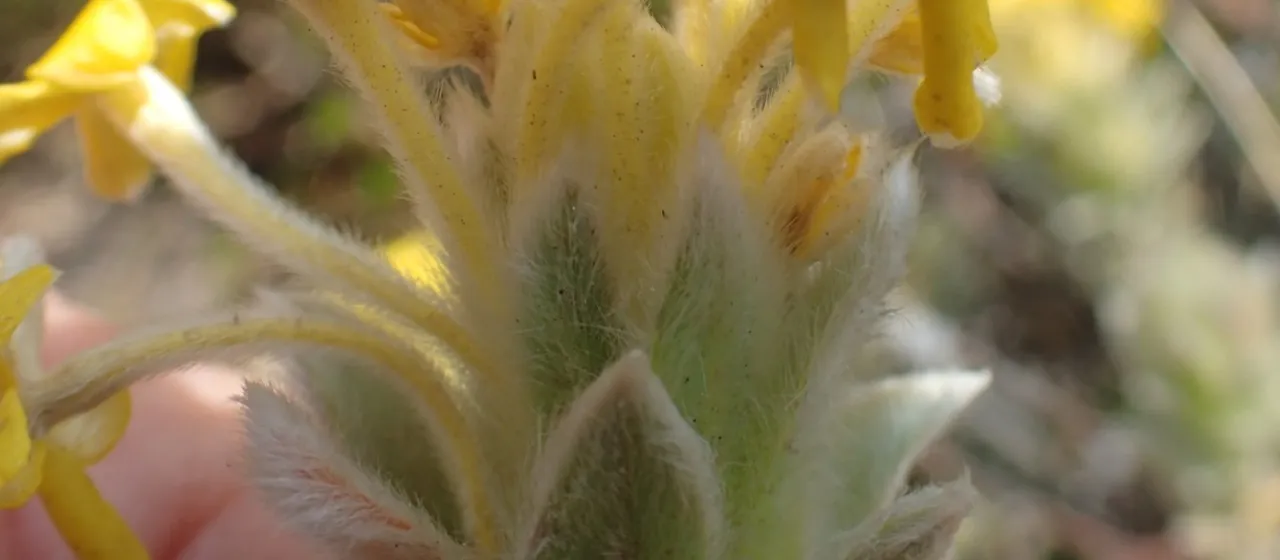
Description
Gnidia burchellii is a perennial subshrub belonging to the Thymelaeaceae family. As a botanical specimen, it is known for its ability to thrive in harsh environments, making it a subject of interest for specialized horticulture and xeriscaping enthusiasts.
Originating from the diverse landscapes of Southern Africa, this plant has adapted to arid conditions and nutrient-poor soils. Its distribution is limited to specific ecological niches, and in an agricultural context, it is cultivated primarily in botanical collections or as a decorative element in drought-tolerant landscapes.
Botanically, Gnidia burchellii is characterized by narrow, resilient foliage designed to minimize water loss. The plant produces delicate, often fragrant flowers clustered in dense heads, a distinctive trait of the Thymelaeaceae family. These structural adaptations allow the plant to maintain its metabolic functions during prolonged dry spells.
The agronomy of this crop necessitates precise moisture management. A porous, well-draining soil mix is mandatory to prevent root rot, as the species is highly susceptible to waterlogging. It requires significant sunlight and a stable thermal environment, reflecting its native South African climate, and performs poorly in high-humidity conditions.
Pathogen control is primarily focused on preventing root diseases caused by improper watering protocols. While resilient in its natural habitat, cultivated specimens may be targeted by greenhouse pests like spider mites or mealybugs. Effective management requires constant monitoring and the use of appropriate biological or chemical controls to maintain plant health.
- Family: Thymelaeaceae
- Growth habit: Subshrub
- Soil type: Sandy, well-drained
- Sun exposure: Full sun
- Primary use: Ornamental horticulture