
Description
Gnidia cuneata is a perennial evergreen shrub belonging to the Thymelaeaceae family. As an agricultural and botanical subject, this plant is valued for its unique morphological adaptations and its ability to thrive in specialized ecological niches, making it a distinctive species within its taxonomic group.
The species originates from Southern Africa, where it naturally inhabits stony slopes and open, dry landscapes. Its cultivation range is currently limited to specialized horticultural nurseries and botanical research facilities that can replicate its native environmental conditions, specifically focusing on temperature management and light intensity.
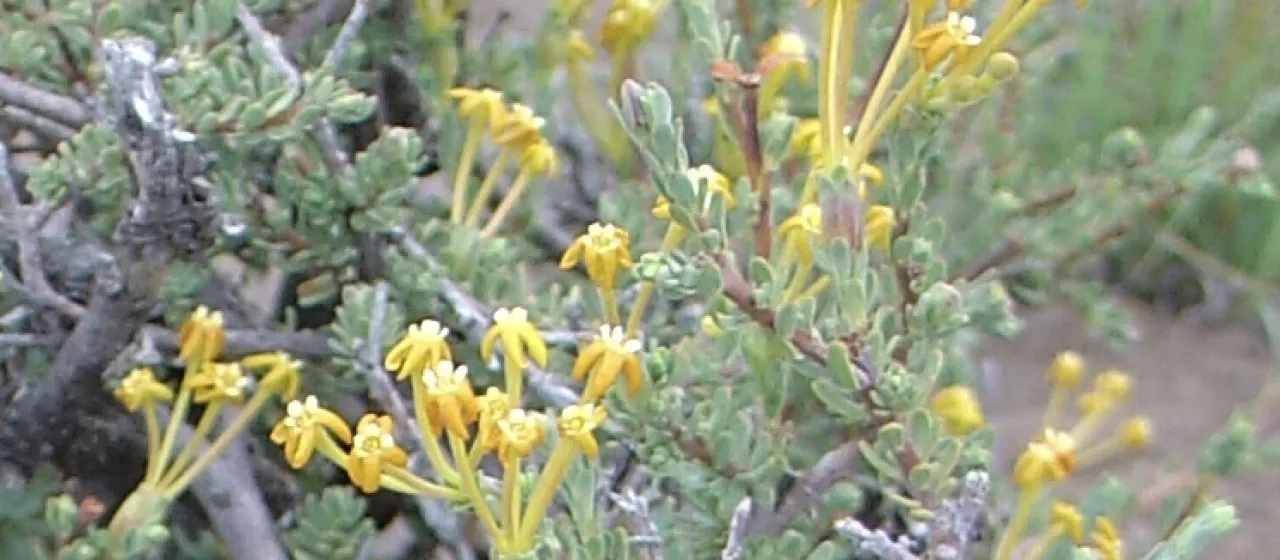
Botanically, Gnidia cuneata is defined by its dense, woody branching habit and characteristic wedge-shaped, leathery leaves that minimize water loss. The plant produces small, often fragrant inflorescences that contribute to its aesthetic appeal. The root system is notably deep and resilient, reflecting the plant's evolution in drought-prone environments.
The crop requires specific soil and climate conditions to achieve optimal growth. It demands well-drained, sandy, or stony soils that prevent waterlogging, which is the most frequent cause of mortality in cultivation. It prefers a temperate to subtropical climate with ample sunshine, requiring protection from high humidity and frost-prone conditions that do not align with its natural habitat.
Economically, Gnidia cuneata serves primarily as an ornamental specimen in landscaping and specialized garden projects. Beyond its visual utility, research into its chemical composition continues to assess potential applications in phytochemistry. Major agricultural risks for this species include fungal rot, typically caused by poor soil drainage, and infestation by common pests such as aphids or spider mites under stagnant greenhouse conditions.