
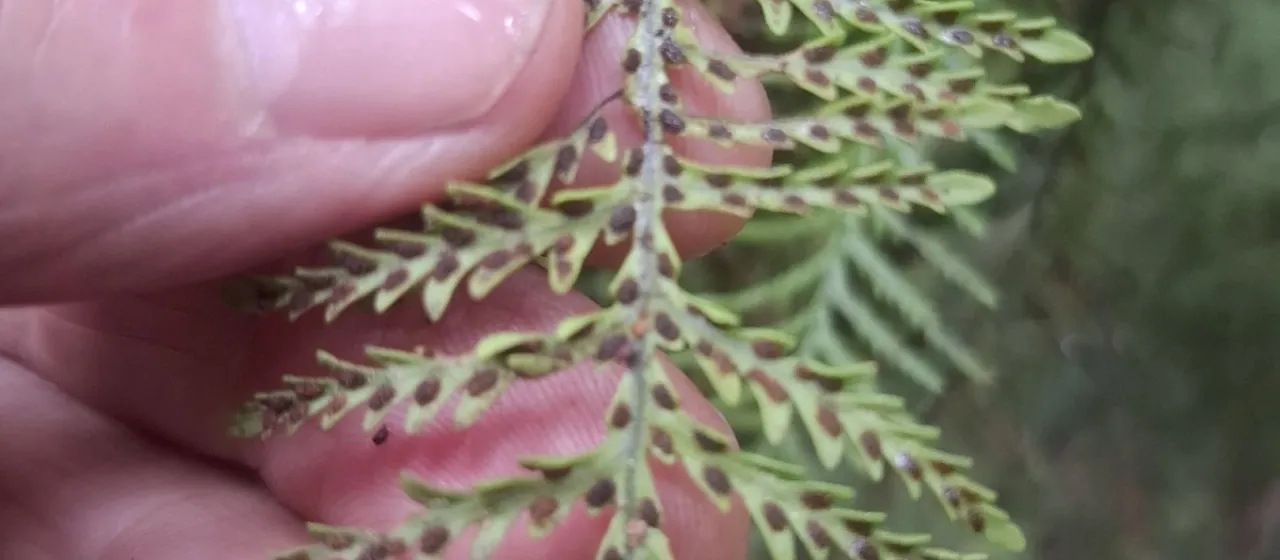
Description
Grammitis heterophylla is a miniature epiphytic fern species belonging to the family Polypodiaceae (sometimes classified within Grammitidaceae). This delicate plant is known for its ability to thrive in specialized niches, often attaching itself to mossy tree trunks or rock faces in high-humidity environments.
The species is native to the temperate rainforests of New Zealand. Within its natural range, it prefers protected, shaded areas with high atmospheric moisture and cool temperatures. Due to these strict requirements, it is not a widespread agricultural crop but a highly specialized subject for botanical research and indoor cultivation.
Botanically, the plant displays distinct heterophylly, where leaf morphology can vary significantly on the same rhizome. The fronds are typically leathery, narrow, and structurally simple. The rhizome is creeping, supporting the growth of the fern across its substrate, while the sporangia, located on the undersides of the fronds, facilitate reproduction via spores.
Cultivation practices for this species focus on mimicking its natural epiphytic environment. It requires a well-draining, moisture-retentive medium, such as a mix of orchid bark, perlite, and sphagnum moss. Humidity levels must remain high consistently; therefore, it is most successfully kept in controlled environments like terrariums or humidified glass cases where evaporation rates can be minimized.
Economic and practical use is limited to the horticultural sector, specifically in the field of rare exotic plant collection and specialized terrarium design. Potential issues include sensitivity to water quality, where high mineral content can cause leaf tip necrosis. Pests such as scale insects or spider mites may pose a threat if the plant is grown in environments with poor airflow.
- Maintained high humidity (75% plus).
- Indirect, soft lighting conditions.
- Use of filtered or distilled water.
- Gentle application of diluted fertilizers.