
Description
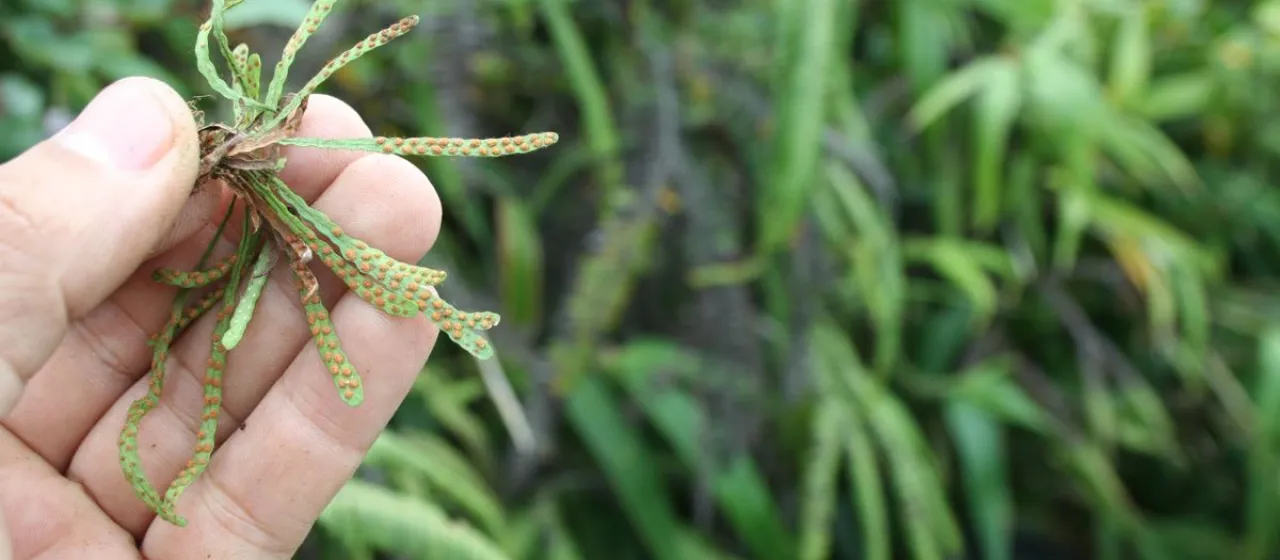
Grammitis jungermannioides is a miniature epiphytic fern belonging to the Polypodiaceae family. Known for its small stature and delicate foliage, the plant bears a strong resemblance to jungermannialean liverworts, which is the origin of its specific epithet. It is considered a specialty plant among fern enthusiasts.
The natural habitat of this species is found within the tropical rainforests of Central and South America. As an epiphyte, it typically thrives on the bark of trees, moss-covered branches, and humid rock faces, where it benefits from a constant supply of moisture and filtered sunlight beneath the forest canopy.
Botanically, the plant is characterized by slender, creeping rhizomes and thin, sometimes translucent fronds. These fronds are frequently covered in fine, hair-like structures that help the fern absorb moisture from the humid air. The root system is extremely sensitive and requires a well-aerated, moisture-retentive substrate to stay healthy.
Cultivation requires strict adherence to environmental parameters: high atmospheric humidity (at least 80%) and moderate, consistent temperatures are essential. It should be grown in an open or closed terrarium setup using a substrate rich in organic matter, such as high-quality sphagnum moss and charcoal, ensuring the roots have access to ample oxygen.
In terms of usage, the plant serves primarily as an ornamental specimen in high-end vivariums and private botanical collections. Because it is highly susceptible to root rot and dessication, it is not suitable for standard houseplant care and remains a niche crop for specialized growers who can maintain artificial microclimates.
- Requires protection from direct sunlight to prevent leaf burn.
- Water quality must be managed (distilled or reverse osmosis water is preferred).
- Vulnerable to common greenhouse pests such as scale insects and spider mites.
- Proper air circulation is necessary to prevent fungal pathogens despite the high humidity requirement.