
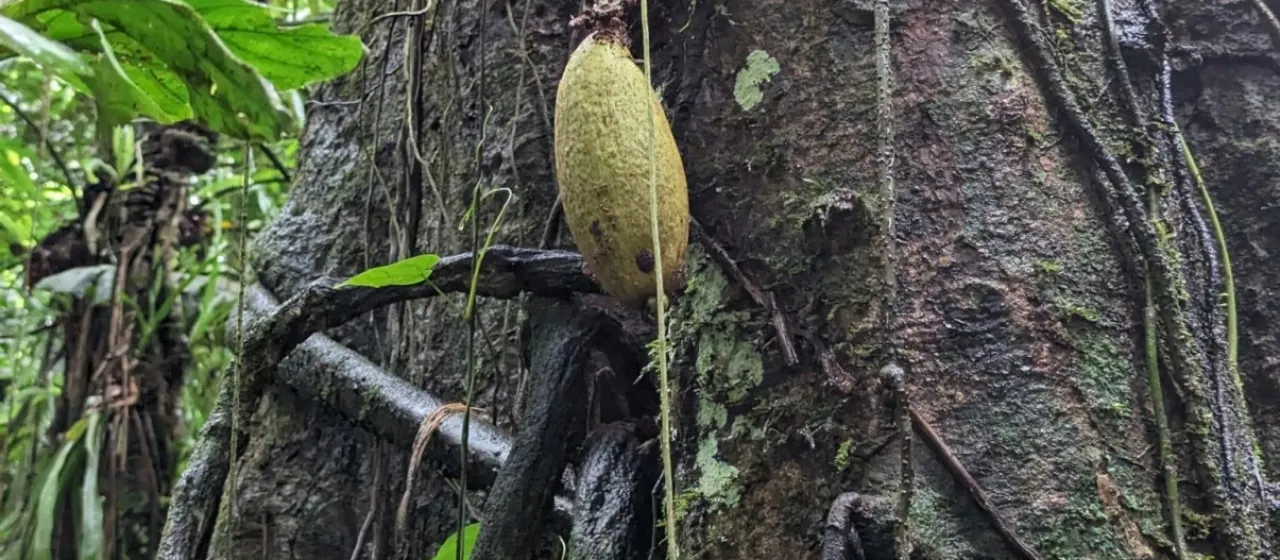
Description
Grias neuberthii is a notable tropical fruit-bearing tree belonging to the family Lecythidaceae. Known for its unique ecological niche, this species is highly valued in its native regions for both its biological resilience and the nutritional quality of its fruits.
The origin of Grias neuberthii is traced to the humid tropical forests of South America, particularly the Amazon basin. It thrives in riverine environments and lowland areas where soil moisture remains high throughout the year, showcasing an exceptional ability to adapt to periodic flooding conditions.
Botanically, the tree is defined by its robust structure and cauliflory, where flowers and subsequent fruits emerge directly from the woody trunk or older branches. The leaves are large, glossy, and arranged in dense clusters, providing significant shade within the canopy layer.
Cultivation requirements for Grias neuberthii focus on maintaining a tropical environment with high humidity and constant warm temperatures. It prefers deep, nutrient-rich soils with sufficient drainage capability. Management practices involve consistent weed control during the establishment phase and protection from extreme wind exposure.
The economic utility of the tree is primarily centered on food production, as the fruits are harvested for local consumption. In addition to its agricultural value, the tree is recognized for its potential in agroforestry systems and biodiversity conservation efforts due to its specialized role in riverbank ecosystems.
- Member of Lecythidaceae
- Adapted to flood-prone areas
- Cauliflorous flowering habit
- Potential for sustainable agroforestry