
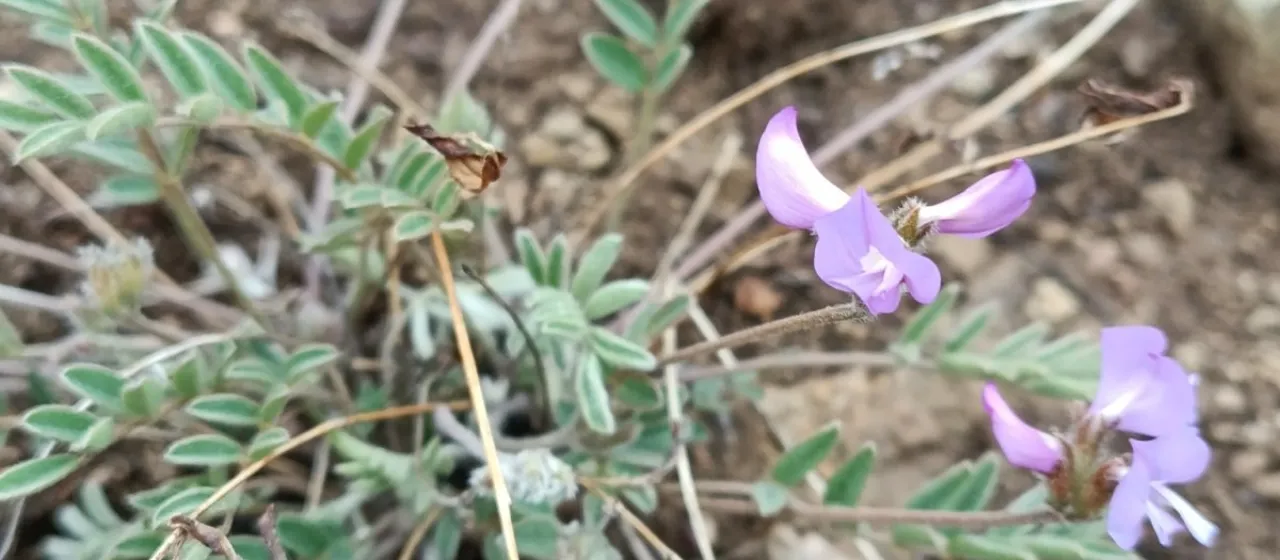
Description
Gueldenstaedtia multiflora is a perennial herbaceous plant belonging to the Fabaceae family. As a leguminous crop, it plays a vital role in nitrogen fixation, which significantly improves soil fertility and promotes sustainable farming practices in regions where it is cultivated.
The plant originates from East Asia, with a natural distribution spanning across China, Mongolia, and surrounding areas. It is well-adapted to harsh environmental conditions, such as rocky slopes and steppes, which makes it a resilient candidate for agricultural expansion in marginal lands that are unsuitable for traditional row crops.
Botanically, the plant features a robust taproot system and compound pinnate leaves. The flowers are typically arranged in racemes, characteristic of many legumes, and they yield pods containing seeds. Its growth habit is primarily prostrate or semi-erect, which provides excellent ground cover, helping to protect the soil from wind and water erosion.
The cultivation requirements for this species are relatively low, provided that the soil is well-drained and the location is sunny. It thrives in loamy or sandy substrates and is highly tolerant of drought once established. While it does not require intensive fertilization, the soil should ideally have a neutral pH to facilitate optimal nodulation and symbiotic nitrogen fixation.
Main areas of economic utilization include:
- Production of high-protein forage for livestock, particularly in arid zones.
- Utilization as a cover crop for soil enrichment and organic matter accumulation.
- Restoration of degraded landscapes and slope stabilization efforts.
- Sourcing of raw material for traditional herbal medicine and scientific research.
Common pests include weevils that specifically target the foliage and seeds of legumes. Additionally, fungal pathogens like root rot or leaf spots may appear under conditions of excessive soil moisture or poor ventilation. Integrated pest management, emphasizing proper spacing and crop rotation, is the most effective approach for maintaining healthy stands without heavy reliance on chemical pesticides.