
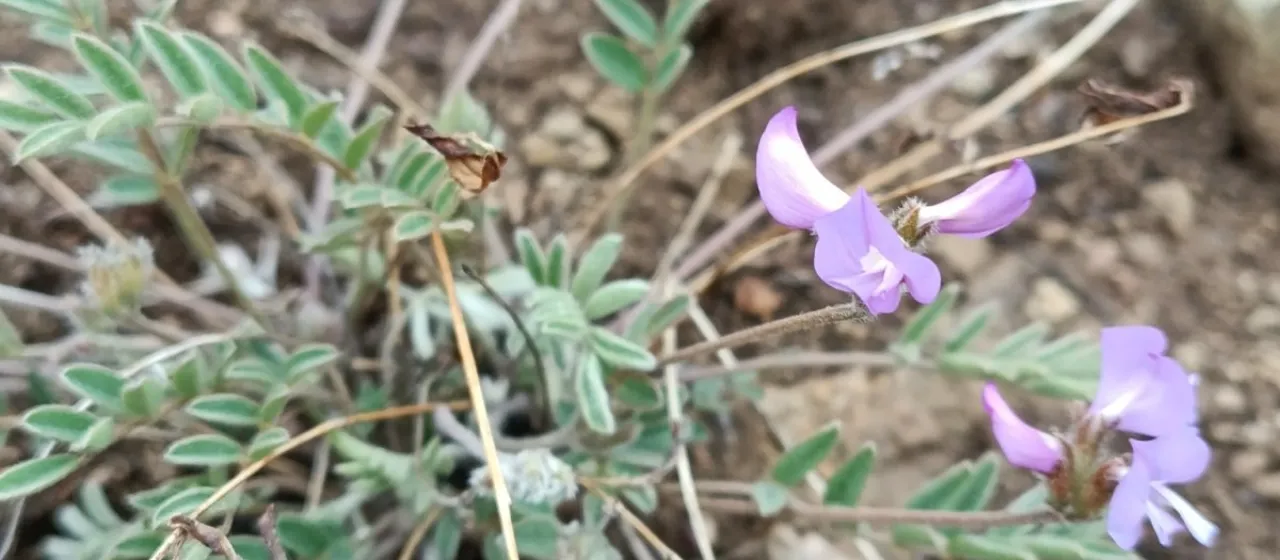
Description
Gueldenstaedtia stenophylla is a perennial herbaceous plant belonging to the Fabaceae (legume) family. This species is recognized for its adaptation to harsh steppe environments, making it a subject of interest for sustainable agriculture in arid and semi-arid regions where soil restoration is essential.
The origin and natural range of the plant are primarily centered in East Asia, encompassing regions of Siberia, Mongolia, and Northern China. It thrives in open, exposed landscapes such as rocky slopes and dry grasslands, showcasing remarkable resilience to the fluctuating temperatures and limited rainfall characteristic of these continental climates.
Botanically, Gueldenstaedtia stenophylla is characterized by its narrow, pinnate leaflets that reduce moisture loss through transpiration. Its root system is deep and taproot-based, allowing the plant to reach deep soil nutrients and survive prolonged drought periods. The inflorescences consist of small, showy, often purple flowers that bloom during the mid-to-late vegetative season.
Regarding agrotechnical requirements, the plant prefers well-drained, neutral to alkaline soils. It does not require high levels of chemical fertilization, as its symbiotic relationship with nitrogen-fixing bacteria allows it to thrive in nutrient-poor conditions. However, farmers should note that seedling development is slow, and weed suppression during the early stages is crucial for successful establishment.
The primary agricultural use of this culture includes forage production for livestock and soil reclamation projects. By fixing atmospheric nitrogen, it significantly improves soil health and structure, making it an excellent candidate for crop rotation in degraded areas. While relatively hardy, growers should monitor for typical legume pests like weevils and prevent root rot by avoiding waterlogging of the soil.