
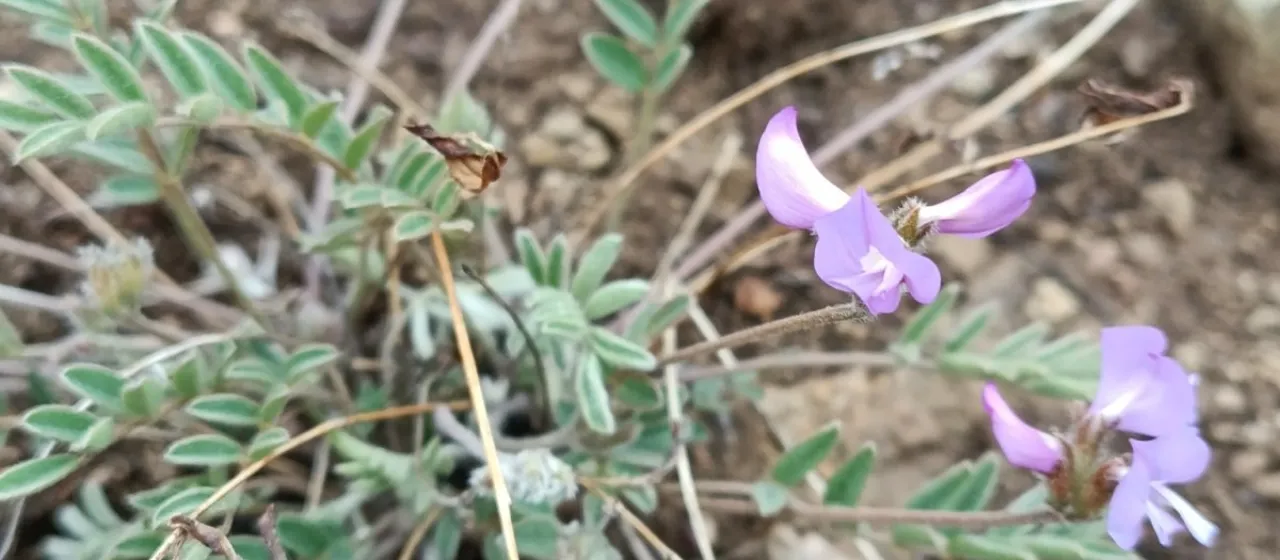
Description
Gueldenstaedtia verna is a perennial herbaceous plant belonging to the legume family (Fabaceae). It is characterized by a low growth habit and a deep root system, which contributes to its overall resilience in harsh environmental conditions and variable soil types.
The plant originates from the temperate regions of East Asia, spanning parts of Siberia, Mongolia, and Northern China. Due to its natural habitat in steppes and mountain slopes, the species is well-adapted to wide temperature fluctuations and is known for its excellent cold tolerance, making it a viable candidate for various agricultural and ecological projects.
Botanically, it features pinnate leaves and vibrant, typically purple or violet flowers arranged in racemes. The plant's ability to fix nitrogen in symbiosis with rhizobia bacteria makes it a valuable asset for soil enrichment. It reproduces through seeds, which require proper conditions to break dormancy for successful germination.
Cultivation requirements for Gueldenstaedtia verna involve selecting well-drained, neutral to alkaline soils. It performs best in sunny locations with moderate rainfall. Agronomic practices should focus on weed control during the seedling stage, as the plant can be sensitive to competition until its root system is fully established.
The primary utility of the plant includes soil stabilization, its role as a honey plant, and potential ornamental usage in xeriscaping. Common agricultural challenges include:
- Susceptibility to root rot in waterlogged soils.
- Potential damage by legume-specific pests like aphids.
- The need for adequate phosphorus for optimal flowering.