
Description
Common spikethorn (Gymnosporia buxifolia), also known as Maytenus heterophylla, is a robust, spiny shrub belonging to the Celastraceae family. Known for its resilience, this plant is a staple in arid environments and is widely recognized for its ability to thrive where other species fail.
The species originates from Southern and Eastern Africa, flourishing in savannahs, thickets, and near riverbanks. Due to its evolutionary adaptation to harsh environments, it serves as an excellent candidate for agricultural projects focused on land reclamation and erosion control in arid regions.
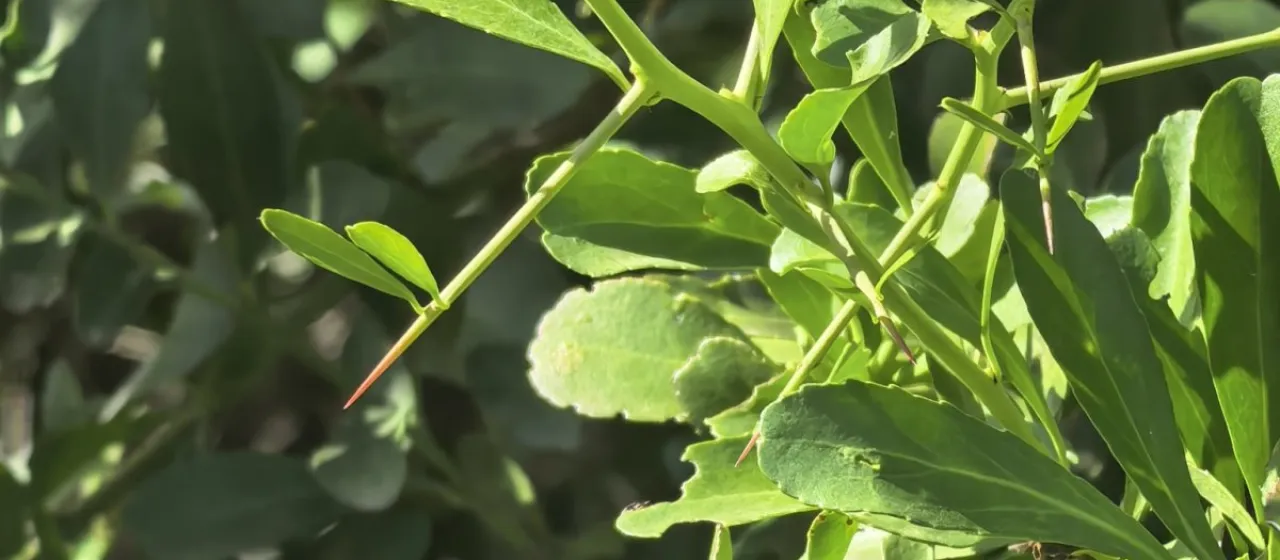
Botanically, the plant is characterized by its stiff, formidable thorns and leathery, boxwood-like foliage, which explains its common name. The flowers are small, often white or yellowish, and provide a nectar source for local insect populations. Its growth habit is typically dense, forming a compact structure that provides significant coverage.
Agricultural success depends on well-draining soil and a sunny location. While it is remarkably drought-tolerant, young specimens require consistent watering until they become fully established. Maintenance tasks usually involve pruning to manage its aggressive, thorny growth and ensure the safety of surrounding areas.
- Excellent for creating impenetrable natural security barriers.
- Highly tolerant of poor soil quality and low moisture levels.
- Attracts diverse wildlife, benefiting the local ecosystem.
- Low requirement for fertilizers compared to intensive crops.
In terms of usage, the Common spikethorn is primarily utilized in landscaping as a protective hedging plant. It is also valued in permaculture for its ability to stabilize soil and its function as a windbreak, proving its worth as a versatile, low-maintenance agricultural plant for challenging environments.