
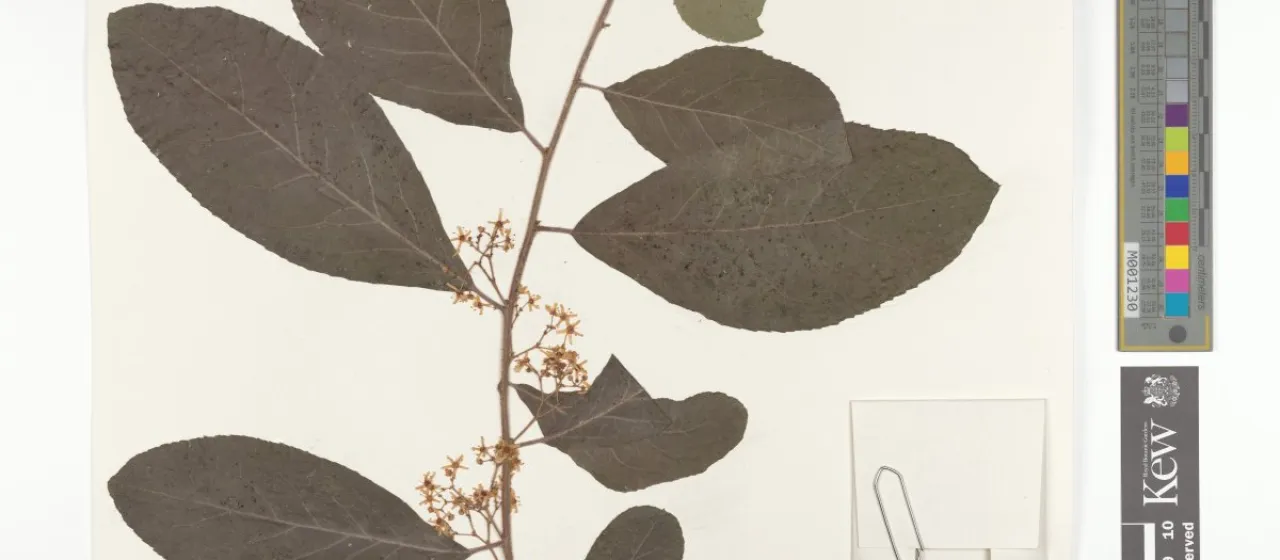
Description
Gymnosporia engleriana is a perennial shrub species belonging to the Celastraceae family. It is recognized as a hardy plant capable of surviving in environments that would be challenging for more delicate agricultural or ornamental species, making it a subject of interest for specialized landscape and ecological projects.
The plant originates from arid regions of Africa, where it has adapted to significant fluctuations in seasonal rainfall and intense sunlight. In its natural range, it contributes to local biodiversity, often serving as a protective barrier against soil erosion. Its distribution in cultivation is largely restricted to regions with temperate or subtropical climates.
Botanically, the plant is distinguished by its compact, woody structure and the presence of prominent spines, which serve as a natural defense mechanism. The leaves are typically thick and leathery to minimize water loss through evaporation. Its growth habit allows it to develop a dense canopy, which can be maintained through careful pruning practices.
Agrotechnical management of Gymnosporia engleriana requires focusing on soil aeration and light exposure. The following conditions are essential:
- Preferably sandy or loamy soils with excellent drainage;
- High levels of solar irradiance for optimal photosynthesis;
- Deep but infrequent watering to encourage deep rooting;
- Protection from frost in areas where temperatures drop below zero.
In terms of economic application, the plant is primarily utilized in xeriscaping and for creating impenetrable biological fences due to its sharp spines. While it is generally robust, growers should remain vigilant against common pests such as scale insects and spider mites, especially in confined or poorly ventilated environments. Effective management involves regular scouting and preventative cultural practices.