
Description
Haplophyllum linifolium is a perennial herbaceous or semi-shrubby plant belonging to the Rutaceae family. This species is of significant interest to botanical and agricultural researchers due to the presence of secondary metabolites, specifically alkaloids and essential oils, which possess potential pharmaceutical and bio-pesticide properties.
The natural range of the species is primarily centered in the Mediterranean basin, particularly in Spain and North Africa. It typically occupies arid and semi-arid habitats, demonstrating a strong preference for calcareous, rocky substrates and open, sunny environments where competition from taller vegetation is limited.
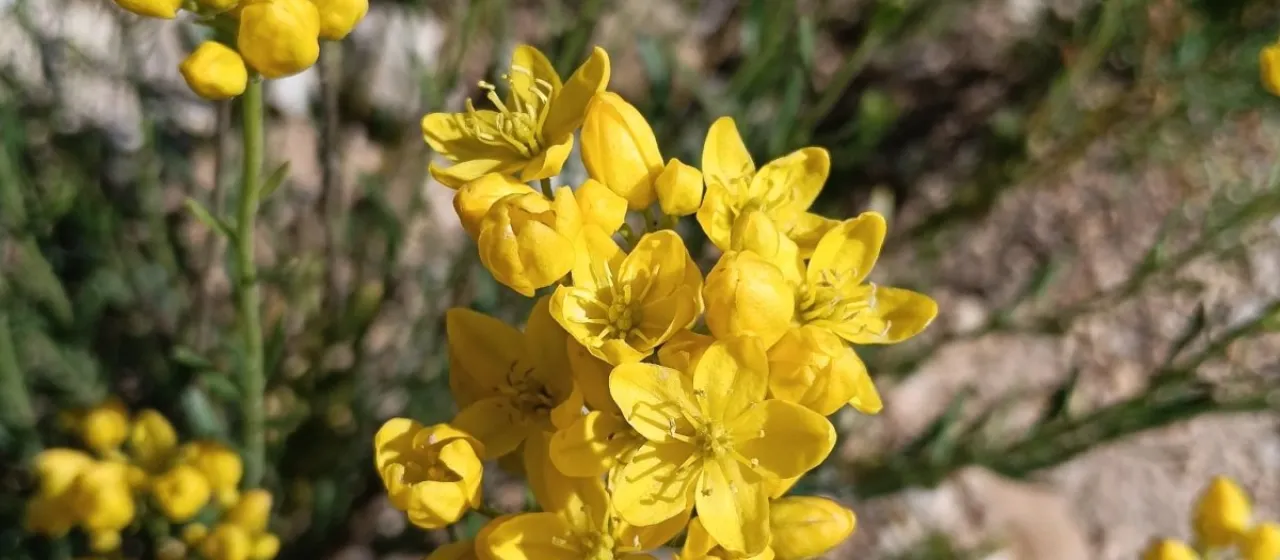
Botanically, the plant is characterized by its narrow, linear foliage, which is an adaptation to low-moisture environments. The stems often show woody bases, and the entire plant surface, including the bright yellow flowers, is covered in specialized glands that store aromatic oils. The plant's architecture is optimized for survival in high-wind and low-water conditions.
Regarding agrotechnology, the primary requirement for successful cultivation is excellent soil drainage. The plant thrives in well-aerated, low-nutrient soils. Overwatering or planting in dense, clay-heavy soils is the most common cause of crop failure, as it promotes root rot pathogens. Light exposure should be maximized, as the species is heliophilic.
Host plant usage is currently limited to experimental cultivation for biochemical extraction. Diseases and pests are relatively infrequent in its natural range; however, in artificial settings, growers should monitor for root pathogens and occasional sucking insects.
- Maintain neutral to slightly alkaline soil pH.
- Avoid excessive nitrogen fertilization to prevent weak growth.
- Practice sparse irrigation strategies.