
Description
Haplophyllum patavinum is a perennial herbaceous plant belonging to the Rutaceae family. While not a conventional staple crop, it is of significant interest in ethnobotany, specialized pharmaceutical cultivation, and ornamental horticulture due to its complex chemical profile and unique adaptation to harsh environments.
The plant originates from Southern and Central Europe, naturally thriving in dry, rocky terrains and calcareous soils. Its evolution as a xerophyte makes it highly resilient in regions characterized by Mediterranean climates, where high solar exposure and limited rainfall are the defining environmental conditions for growth.
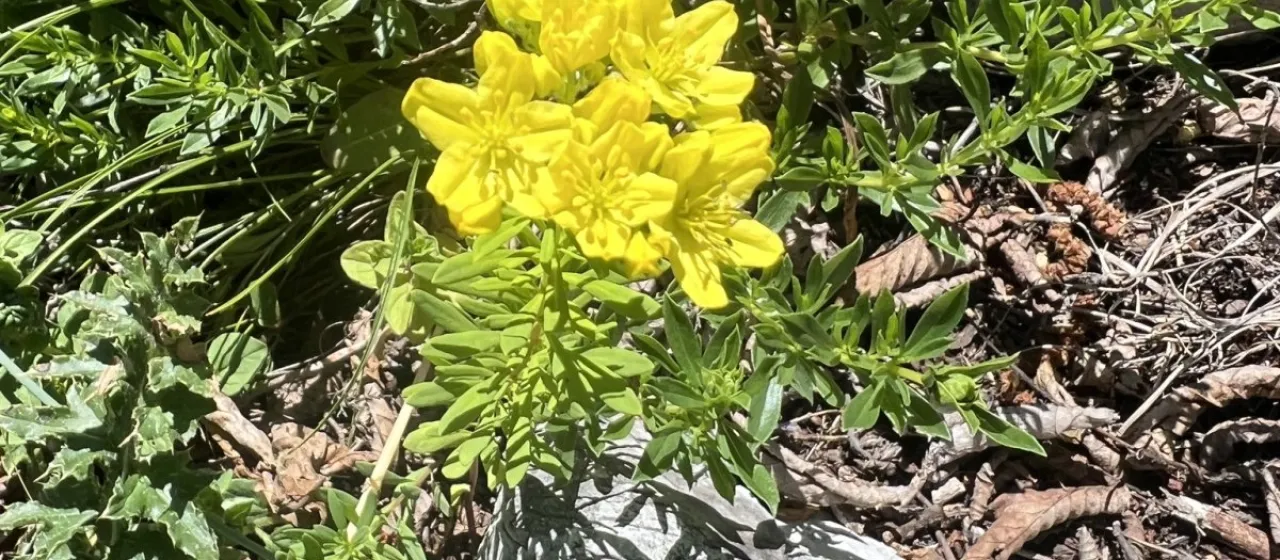
Botanically, the plant presents as a low-growing semi-shrub with gland-dotted leaves, which are typical of the Rutaceae family. It produces dense corymbose inflorescences featuring bright yellow flowers during the summer months. These flowers are known for their distinct aromatic properties and serve as a key morphological feature for identification.
Agricultural success depends on mimicking its natural habitat. Key cultivation requirements include:
- Excellent drainage to prevent root rot.
- Well-drained neutral to slightly alkaline substrate.
- High solar exposure with minimal shading.
- Minimal fertilization to avoid excessive vegetative growth.
In terms of хозяйственное использование (economic use), the plant is primarily valued for its alkaloid content, which is studied for medicinal applications. It is also increasingly used in xeriscaping and rock garden design due to its drought tolerance. Primary threats include fungal diseases caused by waterlogging and minor infestations by sucking pests, which are managed through careful site selection and regular field monitoring.