
Description
Haplophyllum suaveolens is a perennial herbaceous plant belonging to the Rutaceae family. As a specialized crop, it is notable for its adaptation to arid and semi-arid environments, making it an interesting candidate for research in sustainable agriculture in water-scarce regions.
The plant originates from the steppe and semi-desert zones of Eurasia. Its natural habitat includes rocky slopes and dry grasslands, where it has evolved to withstand high solar radiation and prolonged droughts. These evolutionary adaptations define its current growth requirements in an agricultural setting.
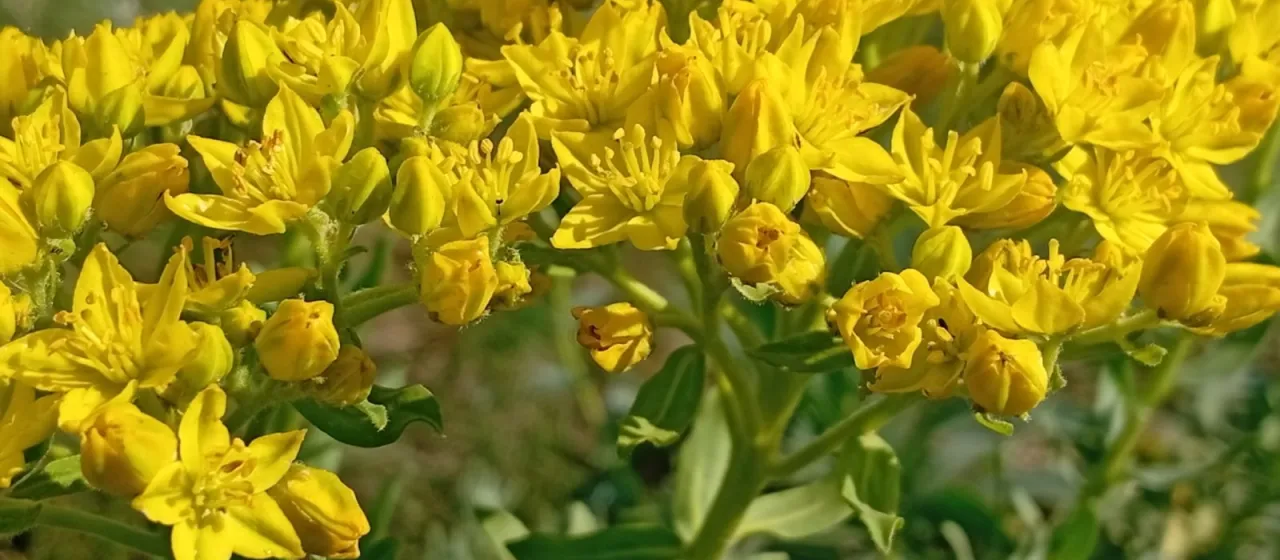
From a botanical perspective, the plant features alternate leaves equipped with essential oil glands, which contribute to its distinct fragrance. The root system is deep and expansive, allowing the plant to reach deep-seated moisture. The flowers are typically arranged in dense cymes, blooming in periods that align with its specific ecological niche.
The agronomic management of Haplophyllum suaveolens requires light, well-draining soils with a neutral to slightly alkaline pH. Over-irrigation is the primary risk factor for this crop, as it leads to root rot and the proliferation of soil-borne pathogens. Planting should be done in open, sunny fields to ensure adequate air movement and photosynthesis.
The economic value of this crop lies in its biochemical profile, specifically its content of alkaloids and volatile compounds used in the chemical and pharmaceutical industries. Furthermore, its ability to thrive in poor, rocky soils makes it a viable candidate for land reclamation and soil stabilization projects in arid regions.
- High drought tolerance
- Excellent adaptation to nutrient-poor soils
- Requires well-drained, sandy-textured soils
- Avoidance of waterlogged conditions