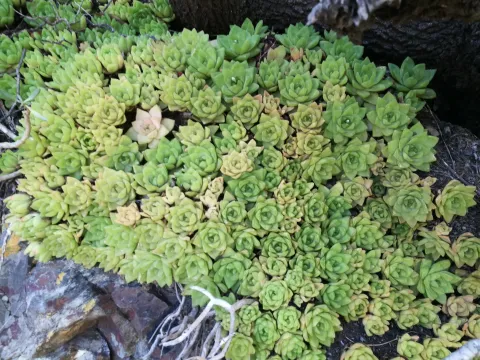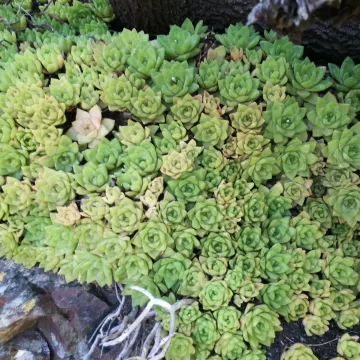
Haworthia cymbiformis
Haworthia cymbiformis (Haw.) Duval
Description
Haworthia cymbiformis is a perennial succulent plant belonging to the Asphodelaceae family. This species is highly valued for its rosette-forming structure and fleshy, boat-shaped leaves, which often feature translucent epidermal windows at the tips. It is widely cultivated as a houseplant across the globe due to its aesthetic appeal and relative ease of maintenance in indoor environments.
Native to the Eastern Cape province of South Africa, this species naturally grows in rocky crevices and sheltered areas. This historical adaptation allows it to thrive in nutrient-poor, well-drained soils and indirect lighting conditions. As an agricultural and ornamental crop, it has been introduced globally, primarily serving the niche market of succulent hobbyists and indoor interior design.
Botanically, Haworthia cymbiformis is characterized by its compact growth habit and pale green foliage. The leaves are arranged in dense rosettes, which can reach up to 10 centimeters in diameter. During the flowering season, the plant produces a long, thin scape with small, white, tube-shaped flowers. Its root system is shallow, necessitating containers that provide stability without excessive depth.
Cultivation requirements for this species focus on providing a gritty, fast-draining substrate to prevent moisture accumulation. It thrives in bright, indirect light, avoiding direct afternoon sun which can scorch the leaves. Watering practices should be conservative, allowing the potting mix to dry out significantly between irrigations to mirror the plant's natural arid habitat and prevent root-related issues.
The primary use of Haworthia cymbiformis is decorative, often utilized in xeriscaping, terrariums, and mixed succulent arrangements. It is highly favored for its ability to produce offsets (pups), simplifying propagation for commercial growers and enthusiasts. Typical pests and diseases include:
- Root rot triggered by overwatering and poor drainage.
- Mealybug infestations within leaf rosettes.
- Etiolation resulting from insufficient light exposure.
Photo gallery