Haworthia truncata
Haworthia truncata Schönland
Description
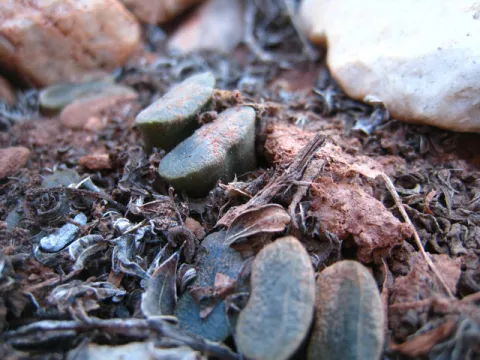
Haworthia truncata is a distinctive succulent species belonging to the Asphodelaceae family. It is widely recognized for its unique leaf morphology, where the leaves grow in a two-ranked arrangement, appearing as though they have been neatly sliced at the tips, which gives the plant a compact and architectural form.
The species originates from the Little Karoo region in the Western Cape province of South Africa. In its natural habitat, it thrives in arid, stony environments. It is highly adapted to drought conditions, often growing partially buried in the ground to conserve moisture and protect itself from intense heat.
The plant features specialized translucent 'windows' on the truncated leaf surfaces. These windows are essential for its survival, allowing light to reach internal chlorophyll-rich tissues while shielding the plant from the damaging effects of excessive direct sunlight in its native desert environment.
Successful cultivation requires a porous, well-draining substrate typically composed of mineral-rich materials like pumice, coarse sand, or grit. The watering schedule should be infrequent, following a 'soak and dry' method to prevent root rot, which is the most common cause of failure in succulent horticulture.
In terms of economic use, it is a highly prized plant for indoor gardening, succulent collections, and specialized botanical nurseries. While relatively pest-resistant, it can be susceptible to mealybugs and fungal infections if grown in poor ventilation conditions, requiring regular monitoring and adequate light exposure for optimal development.
Photo gallery