
Description
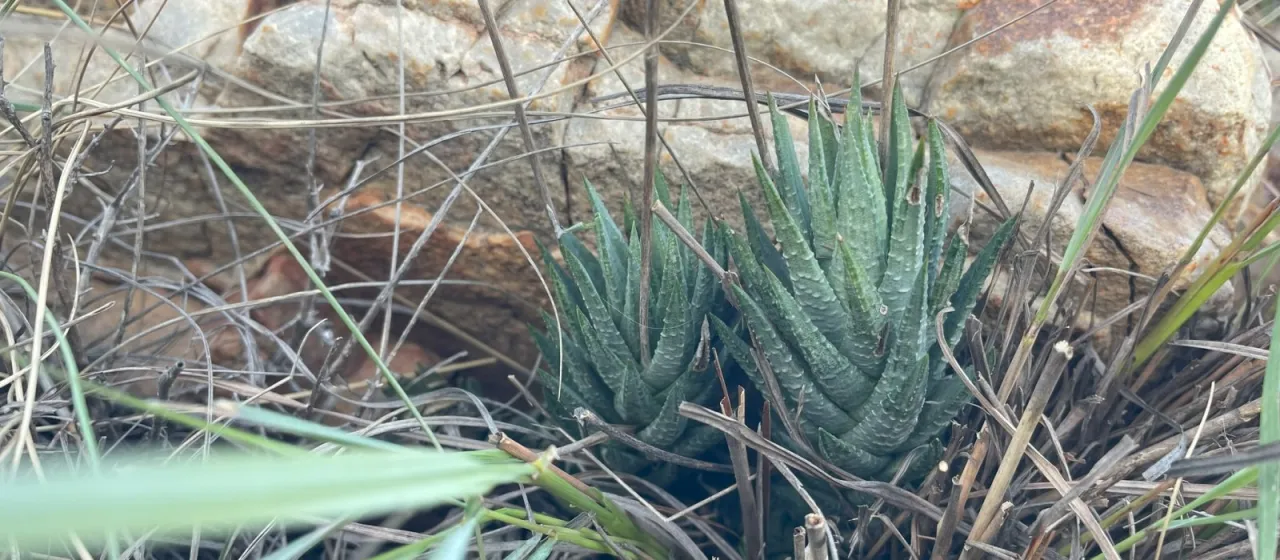
Haworthiopsis glauca is a perennial succulent species belonging to the Asphodelaceae family. Originally classified under the genus Haworthia, it has been reclassified into the Haworthiopsis genus based on modern phylogenetic studies. This species is highly regarded in the horticultural industry for its distinct glaucous leaf coloration and its resilient, architectural growth habit.
The plant originates from the arid regions of South Africa, specifically within the Cape Province. In its native habitat, it grows primarily in rocky crevices and on well-drained slopes, where it is exposed to harsh sunlight and limited precipitation. In agricultural and ornamental settings, cultivation is typically focused on professional nurseries and specialized collections that provide suitable environmental conditions.
Botanically, the plant forms tight, rosetted clusters of thick, rigid leaves that are arranged in a vertical or slightly spiraling orientation. The leaves often exhibit a distinct blue-green or "glaucous" waxy coating, which serves as a protective mechanism against intense solar radiation. The root system is fibrous and adapted to absorb moisture rapidly during rare rain events while requiring dry periods to maintain long-term health.
The agronomic requirements for growing Haworthiopsis glauca center on substrate permeability. A highly porous, mineral-based growing medium is essential to prevent root asphyxiation. Cultivation requires bright, indirect lighting conditions; excessive shade leads to etiolation, while direct intense sunlight may cause surface leaf damage. The temperature should be maintained within a moderate range, with a distinct cooling period during the winter months.
- Use a coarse, well-draining potting mix.
- Water sparingly, only when the substrate is completely dry.
- Propagate through offsets rather than seeds for consistency.
- Keep plants away from excessive humidity.
- Monitor for common pests like mealybugs.
The primary utility of this plant is ornamental, being widely used in xeriscaping and as a collectible specimen in container gardening. The plant is relatively resistant to pests, though it may be susceptible to root rot in poorly managed soils. Common pests include mealybugs and spider mites, which can be managed through cultural practices or the application of appropriate systemic insecticides if an infestation occurs.