
Description
Haworthiopsis venosa is a fascinating succulent species belonging to the Asphodelaceae family. Formerly classified under the genus Haworthia, it has been reclassified to reflect its distinct morphological traits. This plant is highly prized in horticulture for its resilient nature and unique architectural aesthetics.
Originating from the arid regions of South Africa, the plant has evolved to thrive in rocky, well-draining soils. Its habitat is characterized by erratic rainfall, which has led to the plant's succulent nature, allowing it to store significant reserves of water within its thick, fleshy leaves to withstand prolonged drought conditions.
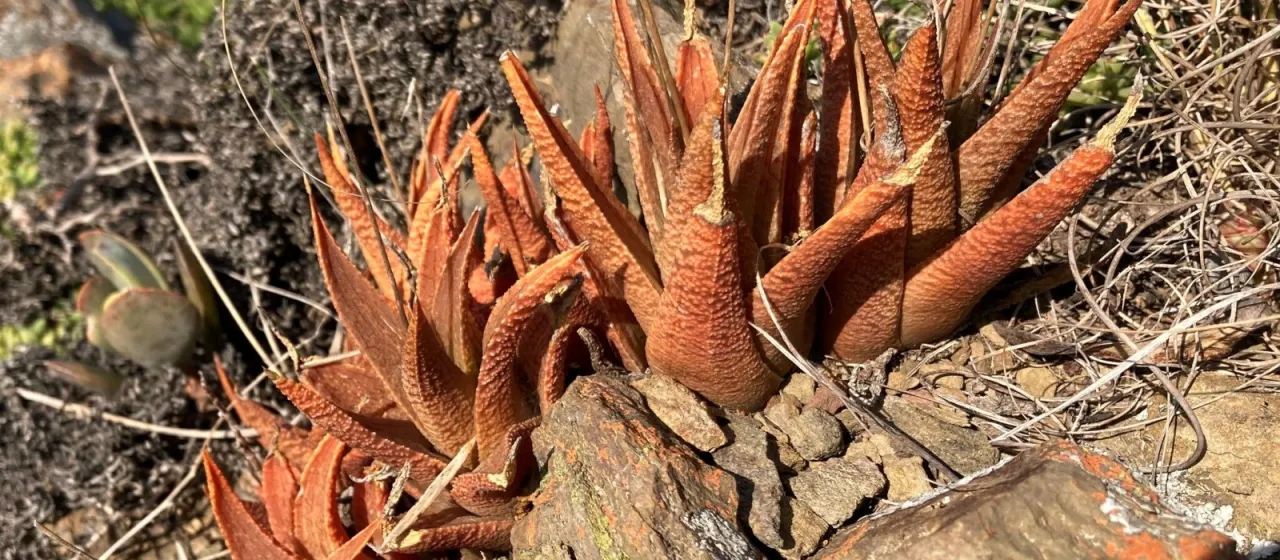
The plant grows in basal rosettes and is characterized by its distinctively veined, textured leaves. The surface often displays subtle tubercles, giving it a rugged appearance. Its slow growth habit makes it an ideal candidate for container gardening, and it occasionally produces slender flower spikes during the warmer months.
For successful cultivation, a porous, mineral-rich substrate is essential. The soil mix should consist of components like pumice, coarse sand, and a small amount of organic material. Irrigation must be strictly controlled, following a 'soak and dry' method, ensuring the medium is completely dry before subsequent watering to prevent root decay.
- Ensure pots have adequate drainage holes.
- Provide bright, indirect sunlight to prevent etiolation.
- Avoid watering during the winter dormancy period.
- Use a balanced, diluted fertilizer only during spring and summer.
Common agricultural challenges involve root rot resulting from poor drainage or overwatering. Additionally, the plant is susceptible to mealybugs and spider mites, which can hide in the crevices of the leaves. Maintaining proper air circulation and monitoring the plant closely are the most effective strategies for preventing infestations and disease outbreaks.