
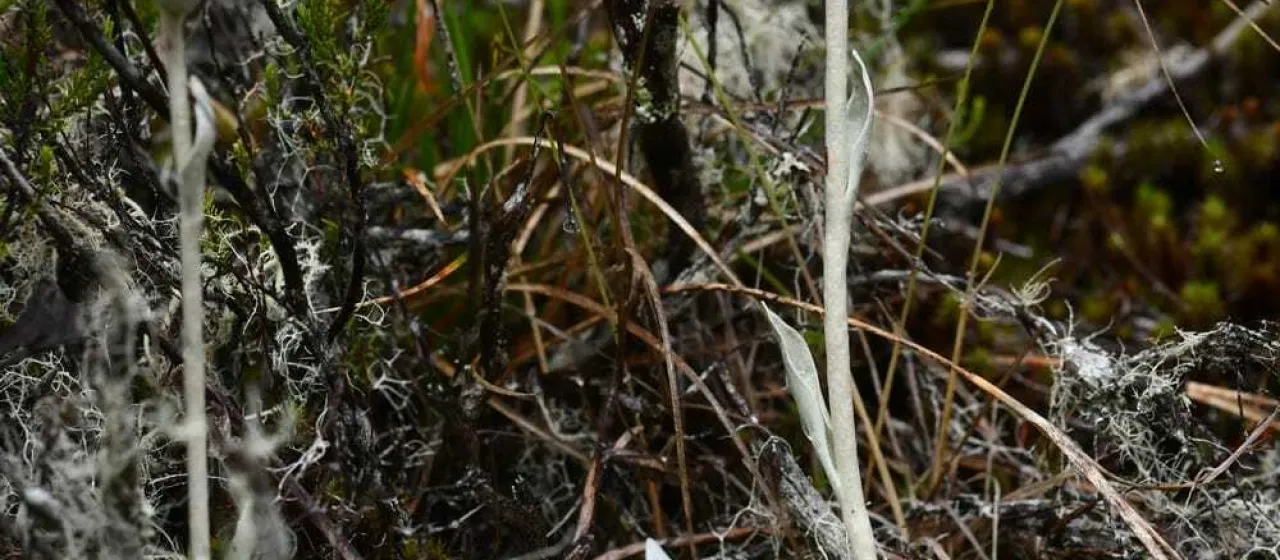
Description
Helichrysum arnicoides is a perennial herbaceous plant belonging to the Asteraceae family. Known for its resilient nature and unique chemical composition, this crop is of growing interest for both the essential oil industry and the ornamental dried flower market. Its distinct morphology makes it a recognizable species within the diverse Helichrysum genus.
Originating from the southern regions of Africa, this crop is naturally adapted to environments characterized by intense solar radiation and periodic water scarcity. In a modern agricultural context, it is cultivated in regions with warm temperate climates. Successful adaptation depends heavily on mimicking the plant's native ecological conditions, particularly concerning sunlight exposure and thermal stability.
Botanically, the plant features robust stems and lanceolate foliage covered in fine trichomes that lend a silvery appearance. The inflorescences are dense capitula, typically yellow or golden, known for their ability to retain structural integrity long after harvest. The root system is relatively shallow yet efficient at nutrient uptake, provided that the soil structure allows for adequate root development.
Successful commercial production of Helichrysum arnicoides requires strict adherence to specific agrotechnical standards. The crop demands well-drained, sandy-loam soils and is highly intolerant of waterlogging, which can lead to rapid fungal decay. Key management practices include:
- Maintaining optimal weed control during the establishment phase.
- Applying specific irrigation schedules that prevent moisture saturation of the soil.
- Providing adequate spacing between rows to maximize airflow.
- Harvesting at the peak of floral development for essential oil extraction.
In terms of plant health, the crop is generally hardy but susceptible to soil-borne pathogens and root rot under suboptimal moisture conditions. Pest pressure is typically manageable through integrated pest management (IPM) practices, emphasizing biodiversity and the avoidance of broad-spectrum chemical pesticides. Proper crop rotation and field sanitation remain the primary strategies for maintaining yield longevity.