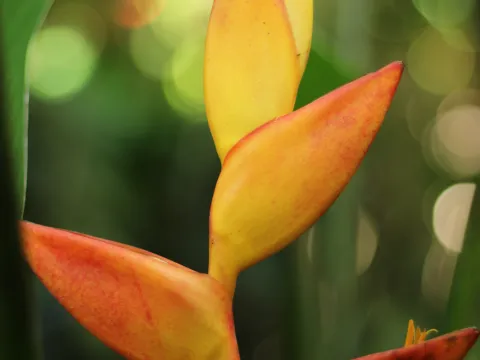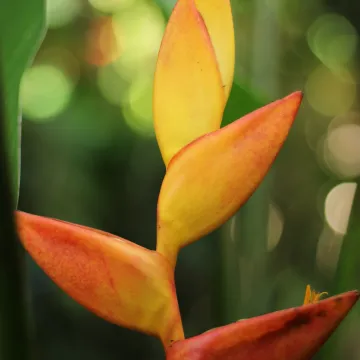
Heliconia uxpanapensis x Heliconia latispatha
Heliconia uxpanapensis x Heliconia latispatha
Description
Heliconia uxpanapensis x Heliconia latispatha is a hybrid species of perennial herbaceous plants belonging to the family Heliconiaceae. This cross-breed is highly regarded in the horticultural sector for its striking inflorescences and increased adaptability, combining the vivid coloration of one parent with the structural durability of the other.
The native range of this hybrid species is primarily rooted in the tropical ecosystems of Central and South America. These plants thrive in environments characterized by high humidity, consistent moisture, and tropical temperature ranges. Currently, they are cultivated globally in controlled environments such as greenhouses and botanical nurseries for commercial floral production.
Botanically, the plant features robust rhizomes that support thick, upright stems and large, banana-like foliage arranged in two ranks. The inflorescences consist of colorful, boat-shaped bracts that protect the true flowers. This hybrid is distinguished by its unique bract shape and coloration, which provides a high aesthetic appeal for cut flower markets.
The cultivation requirements are specific: the plants demand rich, well-draining soil with a slightly acidic pH. Consistent soil moisture is essential for growth, but drainage is critical to prevent root rot. Temperature must remain above 15°C to avoid metabolic shock, and high ambient humidity is necessary to keep the large leaves from drying out at the edges.
The primary agricultural use of this hybrid is in the ornamental industry, specifically for fresh-cut flower bouquets and professional landscaping in tropical regions. Common pests include spider mites, mealybugs, and aphids, while fungal pathogens such as leaf spot are the most frequent diseases, usually exacerbated by poor air circulation and excessive foliage moisture.
- Ideal temperature: 20–28°C
- Light: Bright, filtered indirect sunlight
- Soil type: Organic-rich, well-draining substrate
- Watering: Frequent but well-drained
- Propagation: Rhizome division
Photo gallery