Parrot's-flower
Heliconia psittacorum L. f.
Description
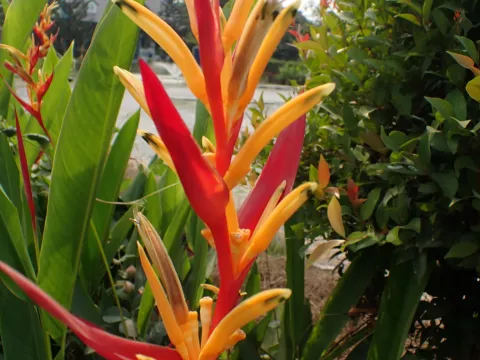
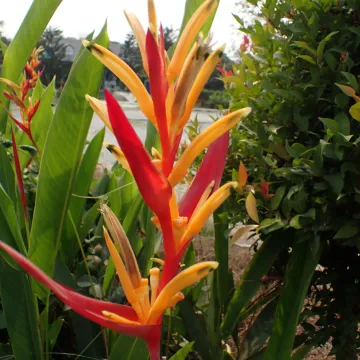
Parrot's-flower (lat. Heliconia psittacorum) is a perennial herbaceous plant belonging to the Heliconiaceae family. It is a highly valued ornamental agricultural crop, widely cultivated for its unique, colorful inflorescences that mimic the shape and vibrancy of a parrot's beak.
The plant originates from the tropical regions of Central and South America and the Caribbean. Today, its cultivation is centered in tropical and subtropical zones, where it is grown both in outdoor plantations and controlled greenhouse environments to supply the international cut flower market.
Botanically, this species is characterized by its lush, lanceolate leaves and bright, showy bracts that protect the true flowers. These bracts can range in color from deep red to bright yellow and orange, making the plant visually striking and highly resistant to post-harvest handling, which is essential for commercial logistics.
The agronomy of Heliconia psittacorum requires high standards of care. It thrives in tropical climates where the temperature remains consistently between 20°C and 30°C. The soil must be nutrient-rich, well-draining, and maintain a slightly acidic to neutral pH level to ensure robust growth and consistent flowering.
- Maintaining high ambient humidity levels is crucial for leaf development.
- The crop requires full sun exposure or bright filtered light to bloom successfully.
- Regular fertilization programs, focusing on NPK ratios, are necessary for high yields.
Commercially, the parrot's-flower is primarily used as a high-quality cut flower. It is favored by florists globally due to its exceptional vase life, often lasting several weeks if handled correctly, and its ability to act as a focal point in exotic floral arrangements and event design.
Plant health management is essential to prevent common pests such as spider mites and scale insects, which often thrive in humid greenhouse conditions. Pathogens such as fungal root rots are major concerns, usually mitigated by ensuring optimal drainage and implementing strict biosecurity measures within the cultivation area.
Photo gallery