
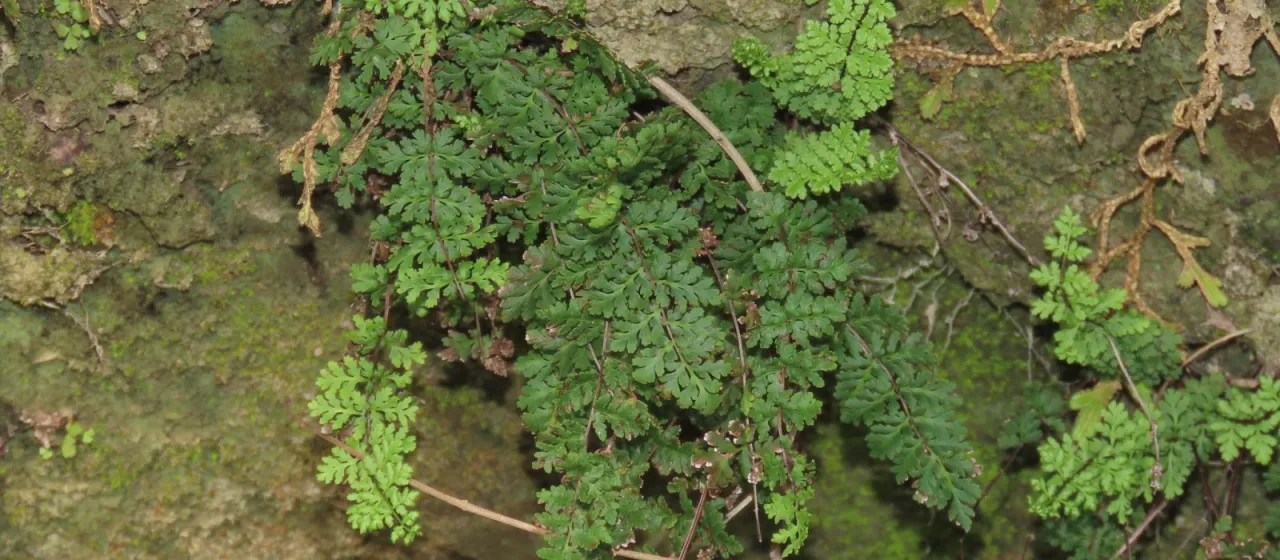
Description
Hemionitis chusana is a perennial spore-bearing plant belonging to the Pteridaceae family. In contemporary botanical taxonomy, this species is frequently classified within the genus Coniogramme. It is a highly valued ornamental fern, recognized by gardening enthusiasts for its delicate, lacy foliage and elegant structural form.
The native range of this plant encompasses the subtropical and tropical regions of East Asia, with a primary concentration in China. In its natural habitat, Hemionitis chusana thrives under the canopy of dense forests, where it occupies moisture-rich, shaded niches characterized by fertile, organic-rich soil substrates.
Botanically, the plant is characterized by creeping rhizomes and pinnate fronds that exhibit a distinct, graceful texture. The color of the foliage ranges from soft green to deep emerald. These ferns are relatively compact, making them well-suited for indoor settings where space might be limited but aesthetic quality is highly prioritized.
Successful cultivation requires strict adherence to environmental conditions. The plant demands a stable, semi-shaded environment, as intense direct sunlight can damage the thin, sensitive fronds. The soil substrate must be porous, slightly acidic, and capable of retaining consistent moisture without becoming waterlogged, which is critical for root health.
- Use of chlorine-free water for consistent soil moisture.
- Maintaining air humidity levels above 60% for optimal growth.
- Providing diffused light to prevent leaf scorching.
- Annual repotting using a light, peat-based potting mix.
In terms of agricultural and horticultural use, this species is primarily cultivated for interior decoration, botanical collections, and terrarium landscapes. The most common pests affecting this fern include spider mites and scale insects, which typically appear when humidity is insufficient. Proper ventilation and regular foliage cleaning are essential for disease prevention.