
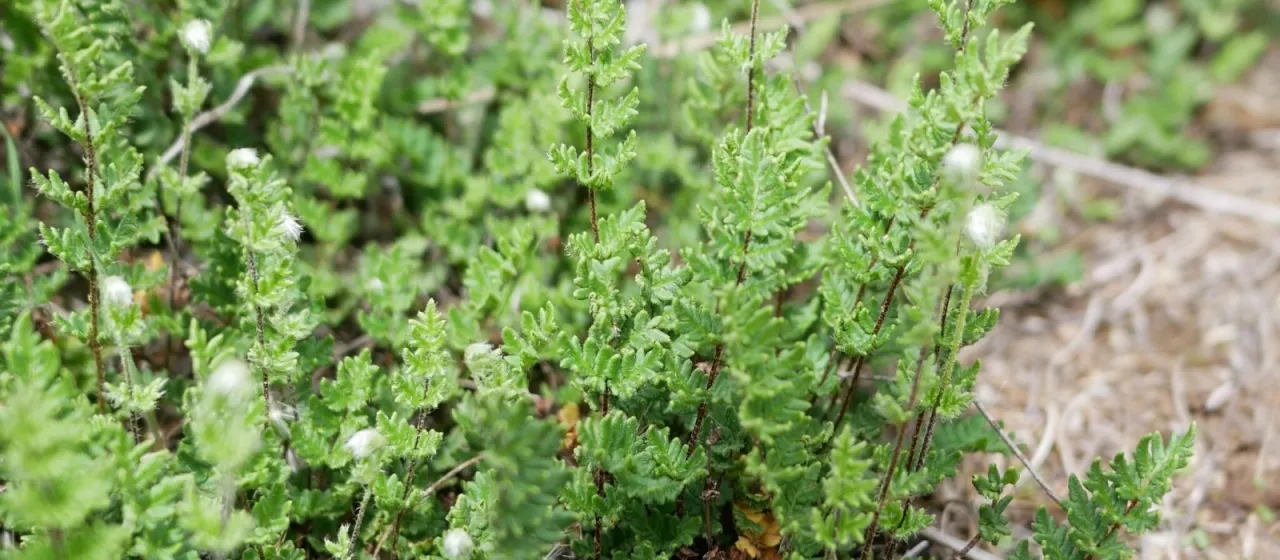
Description
Hemionitis distans is a distinctive species of tropical fern belonging to the Pteridaceae family. This delicate plant is highly regarded by botanical collectors and professional greenhouse growers for its unique morphology and refined foliage, making it a specialized subject within the horticultural industry.
The species originates from the humid tropical forests of Central and South America. In its native habitat, it thrives in the understory layer, requiring an environment defined by high humidity levels, filtered sunlight, and consistent thermal conditions that prevent extreme heat or cold stress.
Botanically, this fern displays a rosette growth habit with finely textured fronds. The root system is relatively shallow and thrives in substrates that offer excellent drainage while retaining consistent moisture. Proper soil aeration is crucial to prevent the accumulation of salts or stagnant water, which can be lethal to the plant.
Cultivation protocols for Hemionitis distans emphasize the importance of precision environmental control. Key requirements include:
- Ambient humidity levels ranging from 70% to 85%.
- A temperature range of 20°C to 25°C throughout the year.
- The use of porous, acidic, organic-rich growing media.
- Protection from direct, intense solar radiation.
Regarding health management, the plant is susceptible to common greenhouse pests like spider mites and scale insects. Integrated pest management (IPM) strategies, including biological controls and careful monitoring of microclimatic conditions, are essential. Avoiding overhead irrigation can also significantly reduce the incidence of fungal pathogens affecting the foliage.