
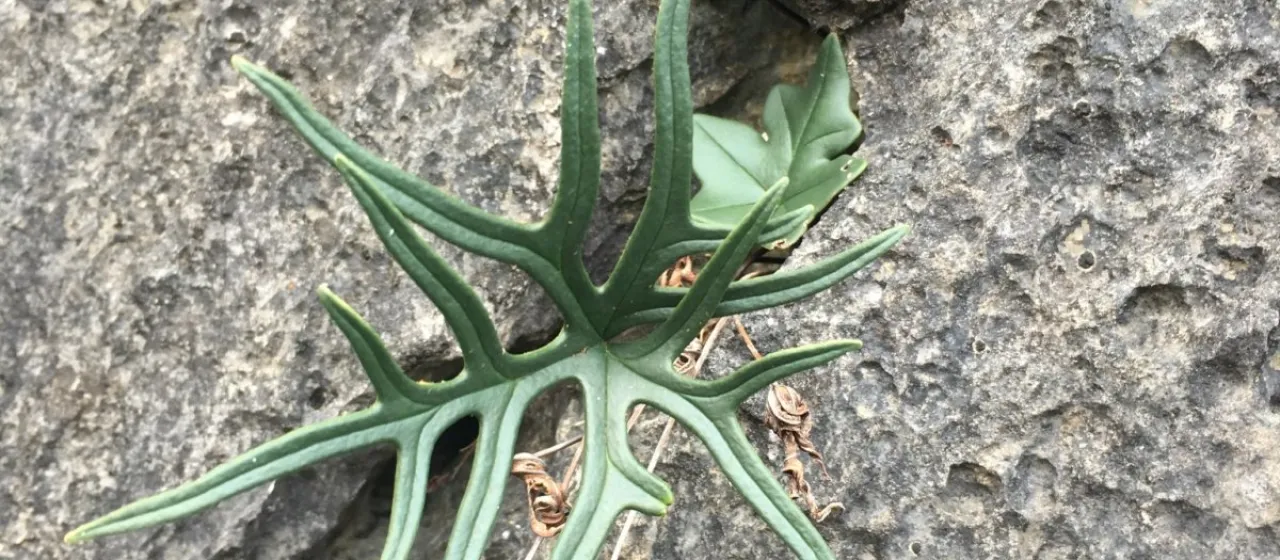
Description
Hemionitis ludens is a distinct species of fern belonging to the Pteridaceae family. Known for its unique foliage and specialized growth habits, this plant is highly prized among botanical enthusiasts and indoor plant collectors for its elegance and the exotic aesthetic it brings to controlled environments.
The native distribution of this species centers in the tropical forests of Central and South America. In its natural habitat, it thrives under the canopy, benefiting from high humidity, consistent temperatures, and nutrient-rich, well-draining soil composed of decaying organic matter, which defines the core requirements for its cultivation.
Botanically, Hemionitis ludens is characterized by its compact stature and unique frond structure. The plant's morphology often varies depending on the maturity of the frond and environmental light levels. The root system is generally rhizomatous, requiring a balanced substrate to support the delicate vascular development characteristic of this genus.
Cultivation success depends on replicating tropical conditions. The ideal temperature range is between +20°C and +25°C, with the plant showing high sensitivity to cold drafts. Proper moisture management is essential; the growing medium should remain evenly moist but never waterlogged to prevent the onset of anaerobic conditions that threaten the rhizome.
Primarily utilized in ornamental horticulture, this fern serves as an excellent candidate for terrariums and indoor decorative displays. Common management challenges include controlling pests like spider mites, which thrive in low-humidity conditions, and preventing root rot, which is usually the result of improper drainage or over-watering practices.
- Provide consistent, bright, indirect light.
- Maintain humidity levels above 60% at all times.
- Use a well-draining, peat-based potting mix.
- Avoid frequent temperature fluctuations or cold drafts.