
Description
Hemionitis michelii is an exotic perennial fern species belonging to the Pteridaceae family. Often recognized for its unique silver-toned foliage, this plant is primarily cultivated as a high-value ornamental species within the greenhouse and indoor plant industry, requiring specialized conditions that mimic its tropical forest origins.
The native range of this plant is centered in the tropical and subtropical regions of Asia. In a commercial cultivation setting, the species requires an environment that simulates the humid and shaded conditions of the forest floor. Successful production depends on strict control over ambient humidity levels and consistent, diffused light exposure.
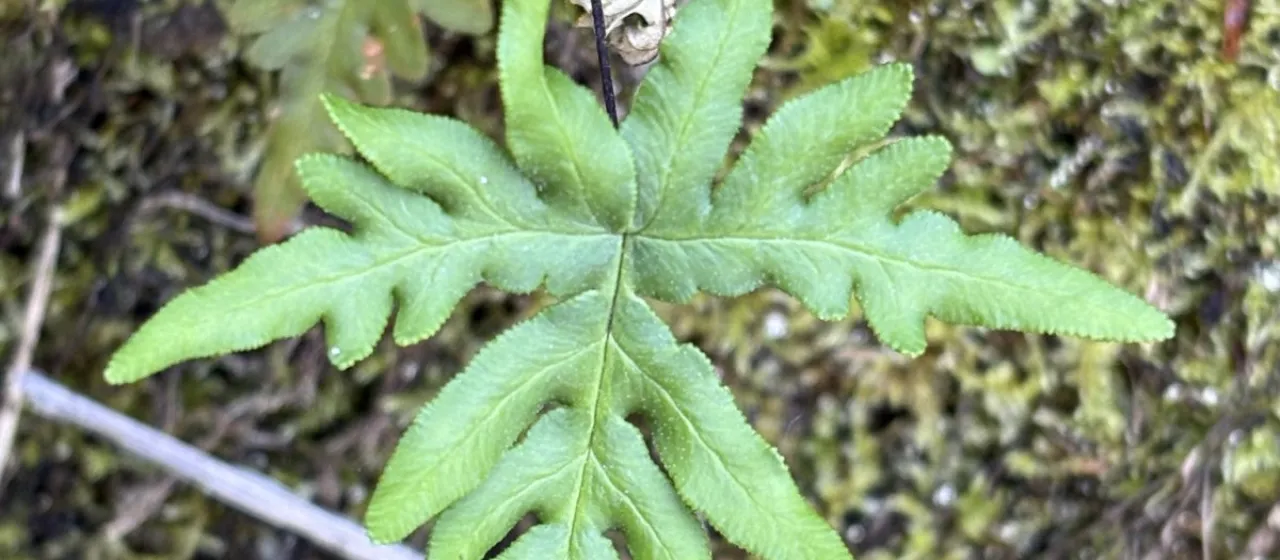
Botanically, the plant is characterized by its compact rosette form and distinctive pubescent leaves. The silver-hued appearance is a result of fine microscopic hairs covering the leaf surface, which also serve as a protective layer against transpiration. The root system is relatively delicate and thrives in organic-rich, well-aerated substrates.
Agricultural techniques for this fern emphasize the importance of substrate drainage and watering quality. It is essential to use soft, non-alkaline water and to avoid waterlogging the growing media to prevent root rot, which is the most frequent physiological issue. Temperature maintenance is equally critical, as the plant does not tolerate cold drafts or extreme temperature fluctuations.
Regarding its use, Hemionitis michelii is a staple in high-end ornamental horticulture and botanical collections. Pests such as spider mites and scale insects are common in controlled environments, necessitating regular scouting and integrated pest management strategies. Maintaining consistent humidity is the primary preventive measure against most common biotic stressors.