
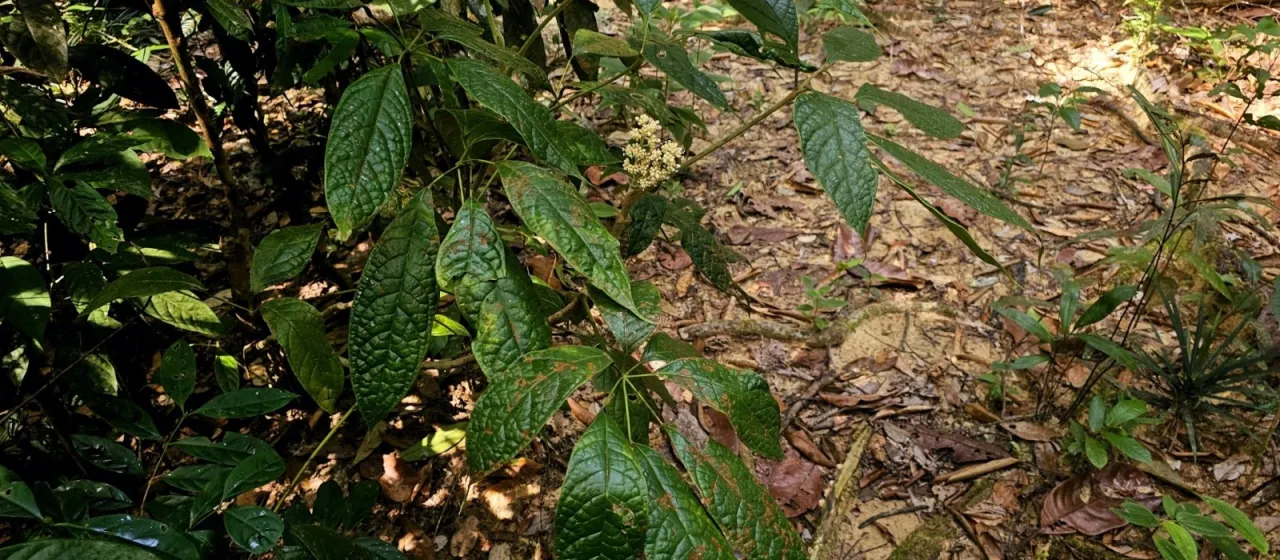
Description
Heptapleurum farinosum is a perennial woody species classified within the Araliaceae family. Often associated with the Schefflera genus in taxonomic revisions, this plant is recognized for its robust growth habit and distinct morphological traits. It serves as an interesting subject for tropical agronomy and controlled-environment horticulture.
The plant originates from the tropical regions of Southeast Asia, specifically endemic to parts of the Philippines. In its native habitat, it thrives in the understory of dense forests, benefiting from filtered sunlight and humid microclimates. Its distribution as a cultivated crop has expanded to various tropical and subtropical areas where environmental conditions mimic its natural forest ecosystem.
Botanically, the species is defined by its compound palmate leaves, which exhibit a fine, mealy texture—a characteristic trait implied by its specific epithet. The stems are semi-woody and capable of reaching significant heights if supported. The plant features a widespread, fibrous root system that requires adequate space and soil aeration to sustain its vigorous vegetative development.
Agronomic requirements emphasize the need for consistently high atmospheric humidity and warm temperatures, typically between 20°C and 28°C. Soil media should be well-drained, porous, and enriched with organic matter to ensure optimal nutrient uptake. Proper water management is critical; while the plant requires regular irrigation, waterlogging must be avoided to prevent susceptibility to pathogenic root fungi.
- Maintenance of 60–80% relative humidity.
- Balanced application of NPK fertilizers during the growth season.
- Regular pruning to maintain structural integrity and density.
- Monitoring for pests such as scale insects and spider mites.
Economically, Heptapleurum farinosum is primarily utilized in the ornamental industry, valued for its lush foliage and adaptability to indoor environments. It is a common choice for interior landscaping and conservatory displays. Furthermore, ongoing research explores its ecological role in indoor air purification and the phytochemical properties of its leaves, which could have potential applications in specialized botanical industries.