
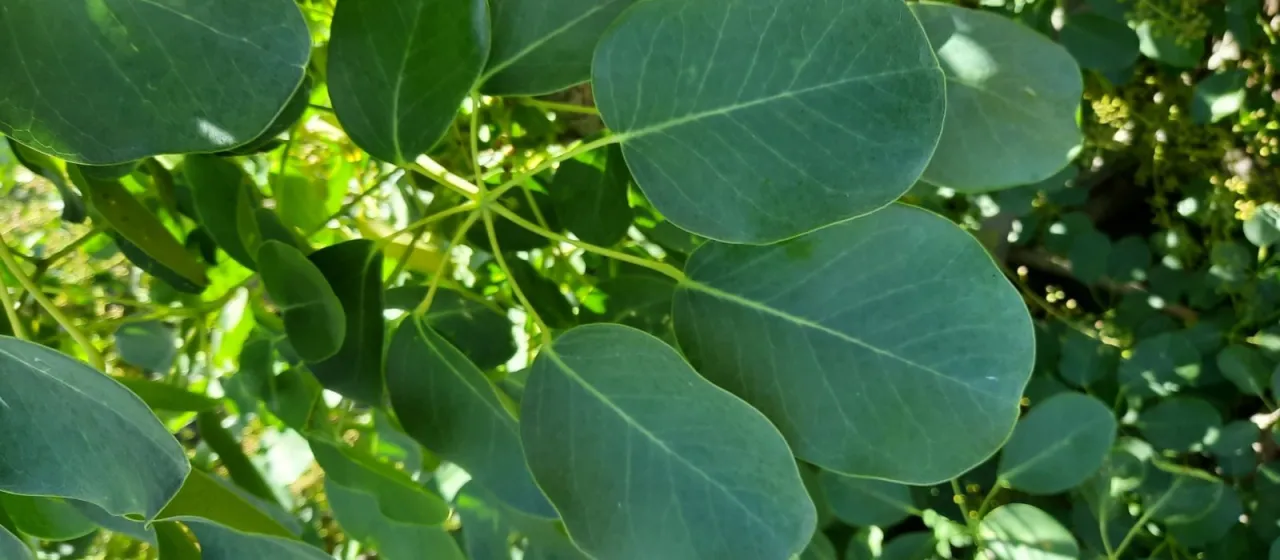
Description
Heptapleurum stellatum is a robust evergreen perennial species belonging to the Araliaceae family. Known for its sophisticated foliage structure, it represents an important group of tropical plants often associated with the Schefflera genus, prized in professional landscaping and indoor horticultural production.
Originating from the tropical mountain forests of Asia, specifically regions within India and Sri Lanka, this plant is naturally adapted to high-humidity environments. Its habitat provides essential indicators for successful cultivation, requiring a balanced climate that avoids extreme temperature fluctuations and excessive direct solar radiation.
Botanically, the plant is characterized by its palmate-compound leaves arranged in a star-like fashion, which is the origin of its specific epithet. The growth habit is typically shrubby, although it can develop into a small tree if given sufficient space and structural support during its developmental stages.
Agronomic requirements emphasize the need for well-draining, humus-rich soil and a stable irrigation schedule. Unlike many other tropical species, it is highly susceptible to root hypoxia; therefore, the substrate must be porous, incorporating components like perlite or pine bark to ensure adequate oxygen circulation around the root zone.
In terms of commercial utility, Heptapleurum stellatum is primarily cultivated for ornamental purposes. It is widely used in commercial interior design for its air-purifying capabilities and structural aesthetic. Effective pest management is crucial, focusing on early detection of spider mites and scale insects, along with preventing fungal pathogens through controlled moisture management.