
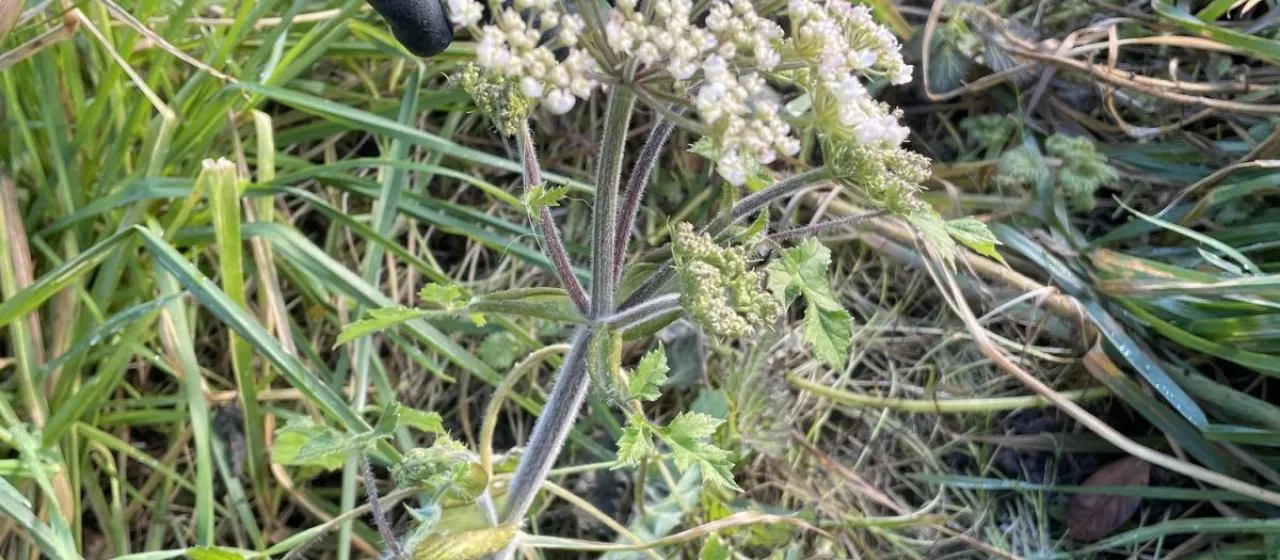
Description
Common hogweed (Heracleum sphondylium L.) is a perennial or biennial herbaceous plant belonging to the Apiaceae family. Unlike its invasive counterparts, this species is historically recognized as a valuable forage crop that has been integrated into agricultural practices for silage production and livestock feed.
Originating from temperate regions of Eurasia, this plant is well-adapted to various habitats including meadows, forest edges, and grasslands. It is highly resilient and thrives in diverse climates, making it a reliable botanical resource in regions with varying seasonal temperatures and precipitation levels.
The plant features a sturdy, hollow, and ridged stem that can grow up to two meters in height. Its large, pinnate leaves provide significant biomass, while the flat-topped clusters of small, yellowish-green flowers are typical for the carrot family. Its deep taproot system ensures structural stability and moisture access during dry spells.
Regarding cultivation, Common hogweed prefers well-drained, fertile, loamy soils with a neutral pH. Agricultural management typically involves sowing in early spring, maintaining optimal spacing between rows, and applying organic fertilizers to encourage rapid vegetative growth. Proper timing of harvest is crucial to maximize nutritional value.
Its primary agricultural utility is as a sustainable livestock forage. The plant is rich in essential nutrients, including proteins and carbohydrates, making it an excellent additive to silage mixtures. Historically, it has also been utilized in culinary traditions and herbal practices, provided the foliage is harvested at the young, tender stage.
- Excellent nutritional profile for cattle
- Strong tolerance to cold climates
- Rapid biomass accumulation
- Low susceptibility to common pests
- High adaptability to various soil types