
Description
Giant Hogweed (lat. Heracleum mantegazzianum) is a large herbaceous biennial or perennial plant belonging to the Apiaceae family. It is recognized as one of the most prominent invasive species in Europe and North America, distinguished by its immense size, which can reach heights of up to five meters, and its massive, umbrella-like flower heads containing thousands of individual white flowers.
The species is native to the Caucasus region. It was originally introduced to other parts of the world during the 19th century as an ornamental plant due to its dramatic appearance. However, the plant quickly escaped from garden settings. Its biological success is attributed to its high seed production, with a single plant capable of releasing tens of thousands of seeds that remain viable in the soil for several years.
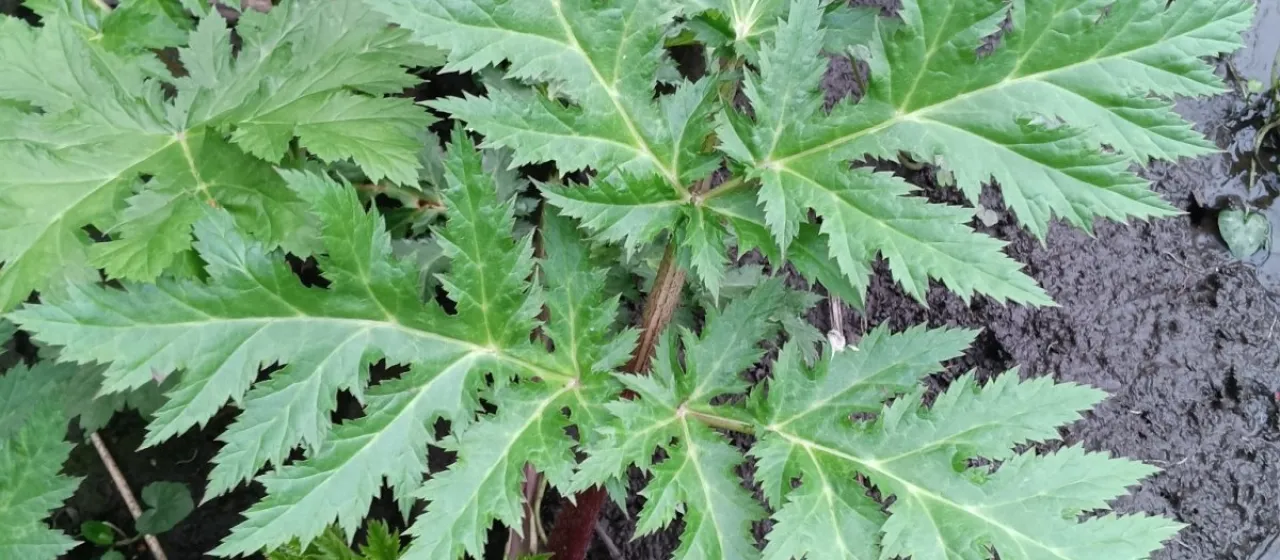
Botanically, the plant is characterized by deeply lobed leaves and a stout, hollow stem with purple blotches. The most critical feature for human interaction is its toxic sap, which contains furanocoumarins. These chemical compounds cause severe phytophotodermatitis, meaning skin contact followed by exposure to sunlight results in painful, long-lasting blisters and skin burns.
Regarding its requirements, the Giant Hogweed thrives in moist, nutrient-rich soils and is frequently found in riverbanks, waste ground, and roadsides. Its agricultural management is focused on eradication rather than cultivation. Effective control requires a combination of methods, including the severing of the taproot below the soil surface, repeated mowing to prevent seed set, and targeted chemical herbicide applications during the early stages of growth.
In terms of хозяйственного (economic) use, there are no widespread commercial applications due to the extreme health risks associated with the plant. Research into potential use for biofuel production has been explored, but is hindered by the danger of harvesting and processing. Common pests, such as specific fungi or aphids, are generally insufficient to curb the rapid expansion of the species in its non-native range, necessitating ongoing mechanical and chemical intervention.