
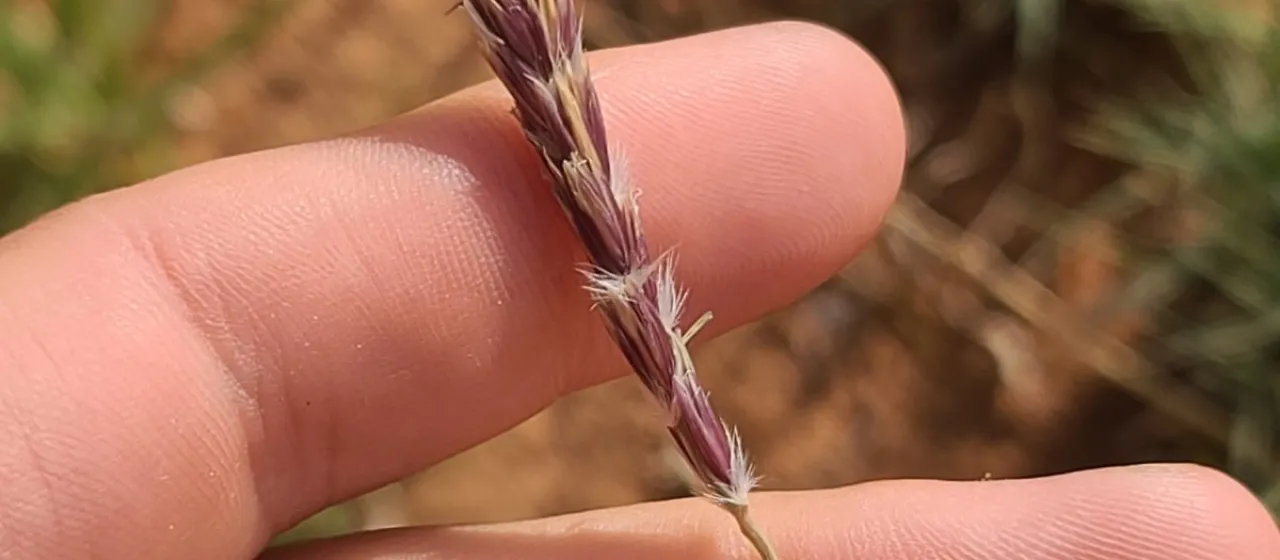
Description
Galleta grass (Hilaria jamesii) is a robust perennial grass belonging to the Poaceae family. Recognized for its remarkable resilience, this species is highly valued in dryland agriculture and ecological restoration projects, as it thrives in arid environments where water availability is a major limiting factor for most conventional crops.
The plant is native to the Southwestern United States and Northern Mexico, where it naturally populates arid grasslands, plateaus, and desert regions. Its evolutionary adaptation to extreme environmental fluctuations allows it to survive in harsh, gravelly, or sandy soil conditions, making it a cornerstone species for maintaining biodiversity in desert ecosystems.
Botanically, Galleta grass is characterized by its rhizomatous root system, which enables it to withstand prolonged droughts and recover quickly after precipitation. The plants grow in dense clumps, with stems typically reaching heights of 30 to 60 centimeters. Its foliage is notably tough and narrow, often covered in dense, fine hairs that help reduce transpiration during high-temperature periods.
Regarding cultivation requirements, the species thrives in well-drained soils and is particularly intolerant of waterlogging. It is well-adapted to neutral or alkaline soil pH levels. While the establishment phase of Galleta grass is relatively slow, once fully matured, the stand becomes extremely stable and can tolerate heavy grazing pressure, which is a significant economic advantage for ranching operations.
The primary agricultural use of this grass is as a forage resource for livestock. Although its palatability decreases as the plant reaches maturity and enters dormancy, it remains a reliable source of nutrition during critical seasons. Typical challenges for the crop include:
- Rust fungi affecting leaf surfaces in humid years.
- Root-feeding insects in certain desert ecosystems.
- Slow seedling establishment speed.
- Requirement for minimal competition during the initial growth phase.