Hosta fortunei
Hosta fortunei (Baker) L. H. Bailey
Description
Hosta fortunei is a perennial herbaceous plant belonging to the Asparagaceae family. Often considered one of the most reliable garden varieties, it is widely prized by horticulturists for its architectural foliage, high adaptability, and its ability to thrive in low-light conditions where other plants struggle to survive.
The species finds its botanical origins in East Asia, particularly Japan. Since its introduction, it has become a staple of temperate-climate gardens across the globe. Due to its robustness, it serves as an excellent foundational plant for shaded border areas, adapting well to a wide range of soil types and environmental conditions.
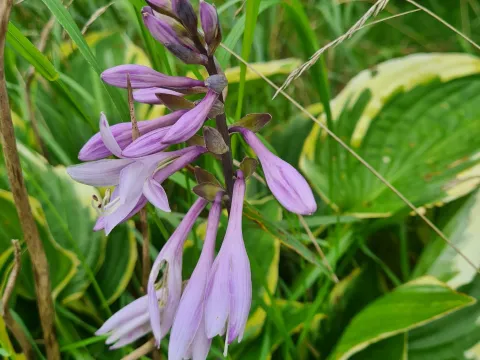
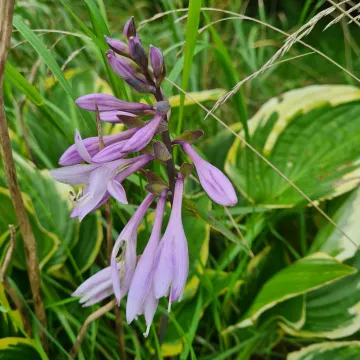
Botanically, the plant is characterized by a dense clump of basal leaves that arise from a thick rootstock. The leaves are typically heart-shaped or broadly ovate, often exhibiting a glaucous bloom that gives the plant its signature bluish-green aesthetic. During the flowering stage, the plant produces tall scapes bearing lavender or light purple funnel-shaped blooms.
When it comes to agronomic requirements, Hosta fortunei prefers partial to full shade, as intense midday sun can scorch the delicate foliage. The ideal growing medium is a rich, organic, moist-but-well-draining soil. Regular irrigation is crucial during the growing season to prevent leaf wilting and maintain vigorous foliage production.
The primary horticultural application of this species is in landscape architecture, particularly for woodland gardens and shaded borders. While generally hardy, the plant is susceptible to certain threats. Common pests include slugs and snails, which can cause significant damage to the leaf edges. Among diseases, viral infections like Hosta Virus X and foliar fungal spots are the most frequent concerns for gardeners.
Photo gallery