Hosta yingeri
Hosta yingeri S. B. Jones
Description
Hosta yingeri is a distinct perennial plant species within the family Asparagaceae. Known for its unique botanical traits and heat tolerance, this plant has gained popularity among garden enthusiasts and professional horticulturists who look for resilient varieties that can thrive in challenging garden environments.
The plant is native to the Sŏkdo island off the coast of South Korea. Its natural habitat includes rocky slopes and forested areas, which has resulted in the species evolving specific survival mechanisms. These characteristics make it a robust candidate for cultivation in various temperate climatic zones, as it can handle fluctuating humidity levels better than many standard Hosta species.
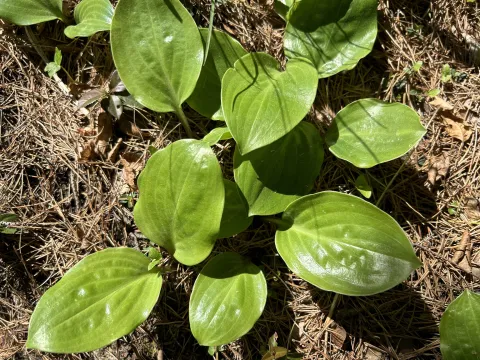
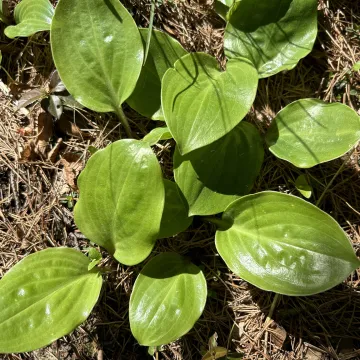
From a botanical standpoint, this species is defined by its glossy, thick, lance-shaped foliage and an upright growth habit. Its most distinguishing feature is the flower structure: it produces attractive, funnel-shaped flowers in shades of lavender and purple, held high above the foliage on sturdy, often leafless scapes, providing an elegant visual appeal during the blooming season.
The cultivation requirements for Hosta yingeri emphasize the need for partial shade and moisture-retentive, well-draining soil. While it is more heat-tolerant than other species, it still performs best in sites with protection from harsh midday sun. Regular organic fertilization during early spring and mulching around the base of the plant help to promote healthy root development and maintain soil structure.
In landscaping, this Hosta is highly versatile and is often utilized as a ground cover or a sculptural specimen in shade gardens. Regarding pest management, gardeners must monitor for slugs and snails, which are the primary threats to its foliage. Additionally, proper site selection and drainage are critical to prevent fungal root rots, particularly in climates with heavy winter precipitation.
Photo gallery