
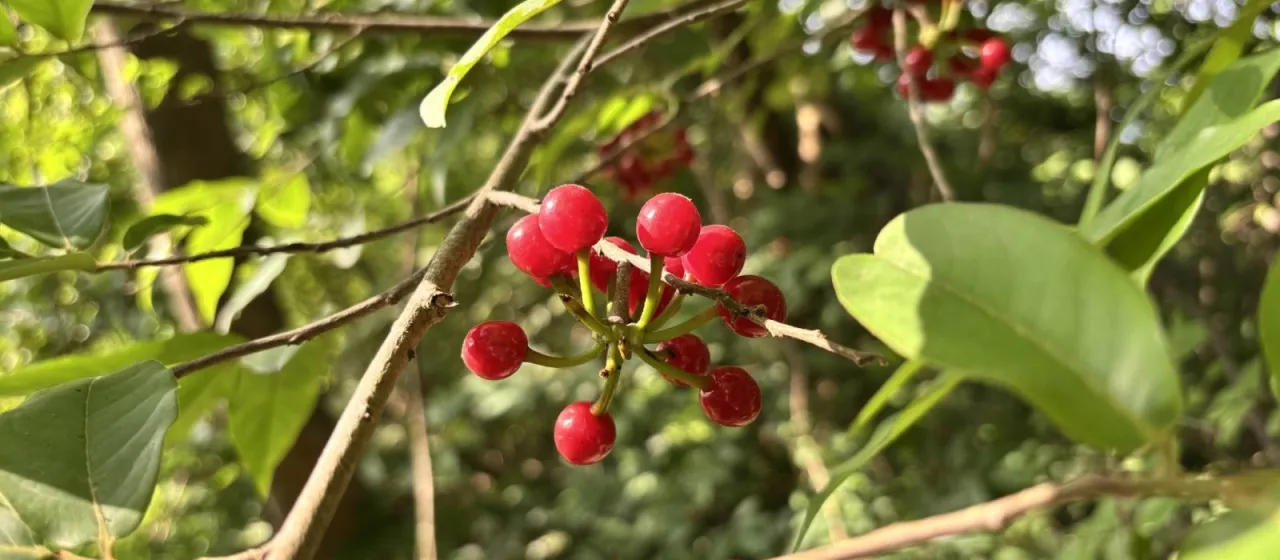
Description
Huberantha cerasoides is a tropical evergreen tree belonging to the Annonaceae family. Formerly classified under the genus Polyalthia, this species has been reclassified to Huberantha, reflecting its unique botanical characteristics. The tree is recognized for its ornamental value and its edible fruits, which are consumed locally in its native range across South and Southeast Asia.
The natural distribution of this species spans from India and Sri Lanka to Myanmar, Thailand, and parts of Vietnam. Huberantha cerasoides thrives in tropical forest ecosystems, preferring areas with high humidity and significant rainfall throughout the year. It is typically found in mixed deciduous and evergreen forest stands, where it occupies a mid-canopy layer position.
Botanically, the plant grows as a slender tree, often reaching heights between 10 to 15 meters. Its leaves are simple, alternate, and coriaceous. The flowers are relatively small but emit a pleasant fragrance, attracting various pollinators. The fruit, a characteristic syncarp, develops into a round, fleshy berry that contains a sweet, aromatic pulp, making it a valuable food source for local wildlife and communities.
Regarding cultivation, Huberantha cerasoides requires a tropical climate with consistent temperatures and protection from cold winds. The ideal soil for this crop is a deep, well-draining, loamy soil rich in organic matter. Agricultural management focuses on regular watering during the establishment phase and protection from direct, harsh sunlight when the saplings are young. Propagation is primarily carried out via seeds, although cuttings may be used under controlled greenhouse conditions.
Economic and practical applications of the tree include:
- Harvesting fruits for local consumption and artisanal food processing.
- Utilization of its timber for lightweight construction and traditional woodcraft.
- Inclusion in reforestation programs to restore native tropical ecosystems.
- Use as a shade-providing tree in tropical agroforestry systems.
The crop is susceptible to certain fungal pathogens, particularly if the soil remains waterlogged for extended periods, leading to root rot. Pests such as leaf-eating caterpillars and scale insects may also affect plant vigor. Effective management involves maintaining a clean orchard environment, conducting regular pruning to improve air circulation, and utilizing integrated pest management strategies to ensure long-term sustainability.