
Description
Huberantha nitidissima is a tropical woody plant belonging to the Annonaceae family. Known for its specific botanical characteristics, this species is gaining interest in research related to sustainable forest management and the study of phytochemical compounds within the Annonaceae group.
Originating from the tropical regions of Southeast Asia, this species thrives in rainforest environments. Its natural habitat is defined by high atmospheric humidity, consistent annual temperatures, and deep, nutrient-rich soils that support its continuous growth cycle as an evergreen plant.
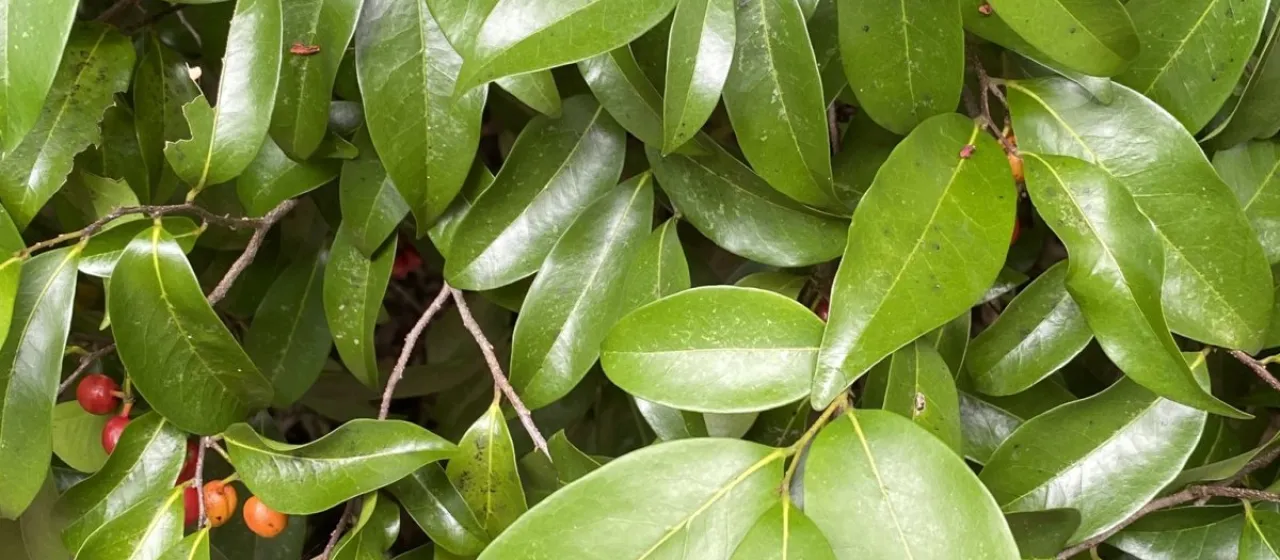
The plant features glossy, lanceolate leaves and complex, fleshy flowers typical of its family. The fruit formation process involves the development of aggregate berries, which contain seeds that are biologically distinct and valued for their oil content. The plant's architecture is characterized by a dense, sturdy canopy.
Successful cultivation of Huberantha nitidissima requires fertile, well-drained soil with a slightly acidic profile. Agronomic management relies heavily on moisture control; while the plant requires consistent hydration, waterlogging must be strictly avoided to prevent root diseases. Providing shade for saplings is essential to mimic its natural forest floor development.
The primary agricultural and scientific use of this species is in the field of phytochemistry, as it produces unique secondary metabolites. Typical pests include various species of scale insects and spider mites, particularly when grown in sheltered or controlled environments. Management involves integrated pest control and regular monitoring of foliage health to detect early fungal outbreaks.
- High humidity requirement
- Requirement for nutrient-dense soil
- Protection from direct, intense sunlight
- Sensitivity to standing water