
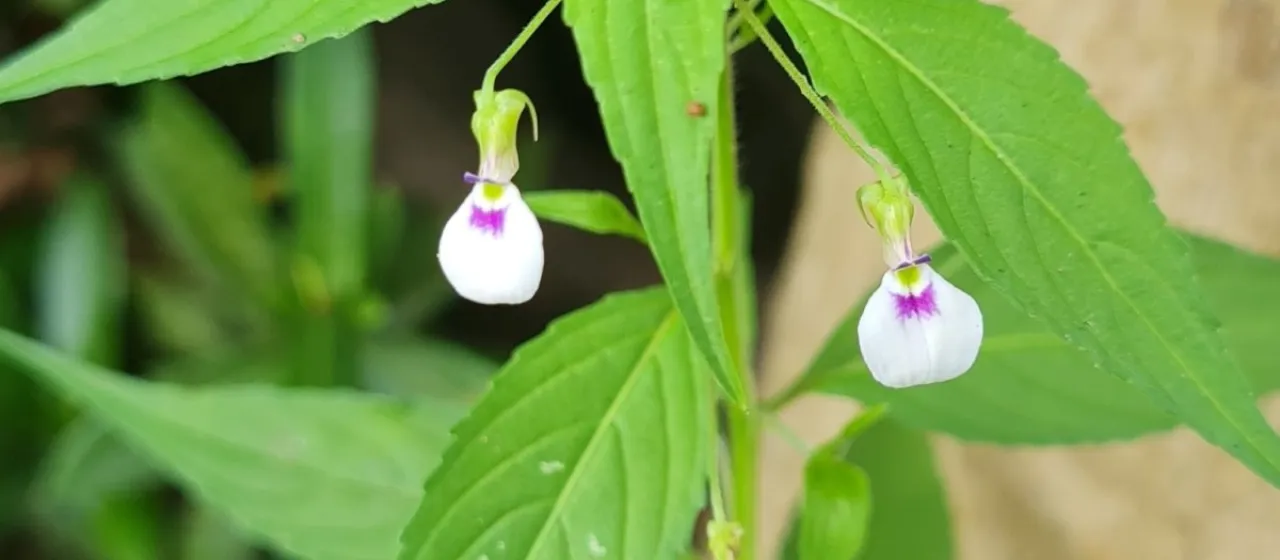
Description
Hybanthus attenuatus is a perennial herbaceous plant belonging to the Violaceae family. It is a distinct botanical species noted for its slender structure and unique floral characteristics. While it remains a niche crop, its study is gaining importance due to the growing interest in diverse phytochemical sources within the botanical sciences.
The plant originates from South American ecosystems, specifically inhabiting shaded forest understories and humid tropical environments. Its natural distribution is linked to areas with consistent moisture and protection from intense direct sunlight. Agronomic cultivation efforts are focused on replicating these specific environmental conditions to ensure high plant vigor and chemical productivity.
Botanically, Hybanthus attenuatus is characterized by its narrow, attenuated leaves and zygomorphic flowers, which are typical of its family yet distinct in their appearance. The root system is relatively shallow, necessitating consistent soil moisture management. Growth habits are generally slow to moderate, depending on the availability of nutrients and the intensity of light management.
From an agrotechnical perspective, successful cultivation requires loose, well-draining soil with a significant organic component. Providing a consistent temperature range between 20°C and 25°C is critical for sustained development. Irrigation should be applied carefully to prevent root rot, as the plant is susceptible to fungal pathogens when exposed to waterlogged soil conditions for extended periods.
The primary utility of this crop lies in its potential pharmaceutical applications and value in botanical research collections. Growers must stay vigilant against common pests such as aphids and spider mites, which can proliferate in greenhouse settings. Effective disease management involves adequate air circulation and regular monitoring of foliage health to ensure optimal output.
- Ideal soil pH: 6.0–7.0.
- Sunlight requirements: Indirect/Filtered.
- Watering strategy: Moderate, consistent moisture.
- Key challenges: Humidity and pathogen control.