
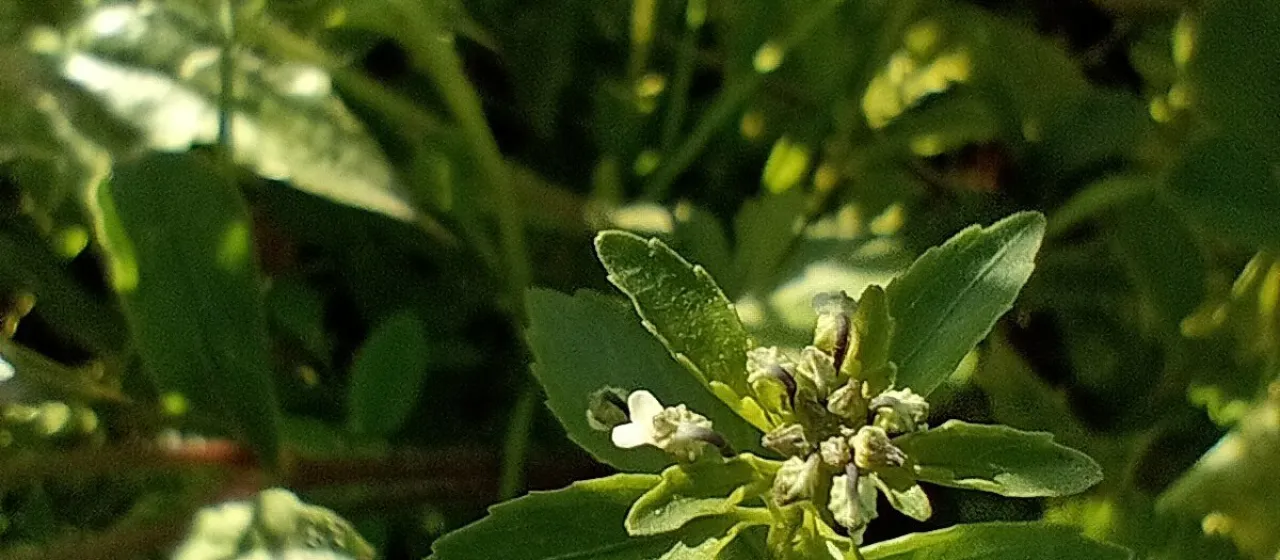
Description
Hybanthus parviflorus is a botanical species belonging to the Violaceae family. Unlike common garden violets, this plant exhibits a distinct shrub-like or herbaceous structure, representing an interesting biological model within its family. It has been documented for its ability to adapt to various ecological niches, particularly in tropical regions.
The origin of Hybanthus parviflorus traces back to Central and South America. Its natural habitat includes diverse landscapes, ranging from sunny slopes to semi-shaded forest edges. This geographical spread indicates a robust ability to thrive under varied environmental conditions, provided the core requirements for temperature and moisture are met.
From a botanical standpoint, the plant is characterized by small, zygomorphic flowers and a branching stem system that provides structural integrity. The leaves are typically lanceolate and contribute to the plant's overall photosynthetic efficiency. Its root system is deep and efficient at extracting nutrients from relatively thin tropical soils, making it well-adapted to its native range.
Cultivation practices for this species focus on providing well-draining soil and a consistent climate profile. It prefers stable temperatures and avoids extreme frost conditions. Irrigation management is crucial; the plant requires steady moisture but suffers significantly if water remains stagnant around the root collar. Soil pH should ideally range from neutral to slightly acidic to ensure optimal nutrient uptake.
While Hybanthus parviflorus is not currently a major industrial crop, it serves functional roles in traditional medicinal practices and as an ornamental species in warm-climate landscaping. Monitoring for diseases such as root rot or foliage spots caused by excessive humidity is essential. Common pests in greenhouse conditions include aphids and mites, which can be managed through integrated pest control strategies.
- Thrives in well-drained, sandy loam soils.
- Requires consistent lighting for healthy foliage development.
- Susceptible to fungal pathogens in high-humidity environments.
- Requires pruning to maintain compact growth.
- Propagation is best achieved via seeds or softwood cuttings.