
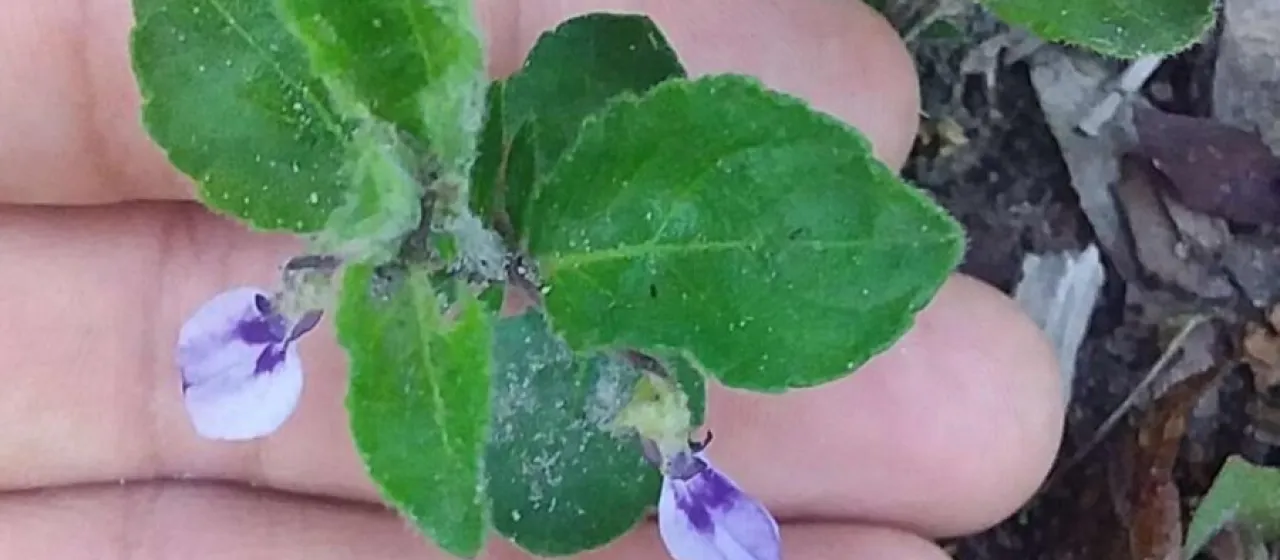
Description
Hybanthus humilis is a herbaceous perennial plant belonging to the Violaceae family. Distinct from the common garden violet, this species is typically characterized by a low-growing, shrub-like growth habit, making it an interesting subject for specialized botanical studies and niche agricultural experimentation.
The plant originates from the tropical and subtropical regions of South America. Its natural habitat consists of areas with consistent rainfall and high humidity. In an agricultural context, it is not a widely commercialized crop; however, its cultivation is gaining interest for potential phytochemical applications and horticultural research, particularly in controlled greenhouse environments.
Botanically, Hybanthus humilis features woody basal stems and small, leathery, alternate leaves. Its flowers are highly specialized, exhibiting the zygomorphic symmetry typical of its family, designed to attract specific pollinating insects. The plant usually remains compact, rarely exceeding a height of 40 centimeters, which contributes to its resilience in windy, open environments.
The climatic requirements for successful growth include a preference for warm, frost-free environments with high air humidity. Soil conditions must mimic tropical forest floors: light, porous, and enriched with organic matter. Proper drainage is the most vital aspect of its agrotechnology; the root system is highly susceptible to hypoxia and fungal infections if the growing medium remains waterlogged for extended periods.
The primary agricultural use of this plant is currently experimental, focusing on the identification of secondary metabolites with potential pharmaceutical value. In addition to medicinal research, it holds value in exotic plant collections. Regarding pests and diseases, the plant is primarily threatened by root rot (Phytophthora) and spider mites under low-humidity conditions during the vegetative stage.
- Climate preference: Tropical to subtropical.
- Soil structure: Highly organic, well-draining acidic substrates.
- Irrigation: Consistent, moderate moisture levels.
- Disease prevention: Strict control of drainage and airflow.