
Description
Hyptis pectinata is an herbaceous plant or subshrub belonging to the Lamiaceae family. It is known in many tropical regions for its rapid growth rate and high biomass production. The plant typically features a square stem and opposite leaves, and while it is often categorized as a weed in uncontrolled environments, its chemical composition makes it a valuable candidate for controlled cultivation.
The species originated in the tropical Americas but has successfully naturalized throughout the tropical belts of Africa, Asia, and Oceania. It thrives in open, disturbed habitats and is highly adaptable to various environmental stresses. Its cultivation range is strictly confined to frost-free climates, as the plant is highly sensitive to cold temperatures and cannot survive winters in temperate zones.
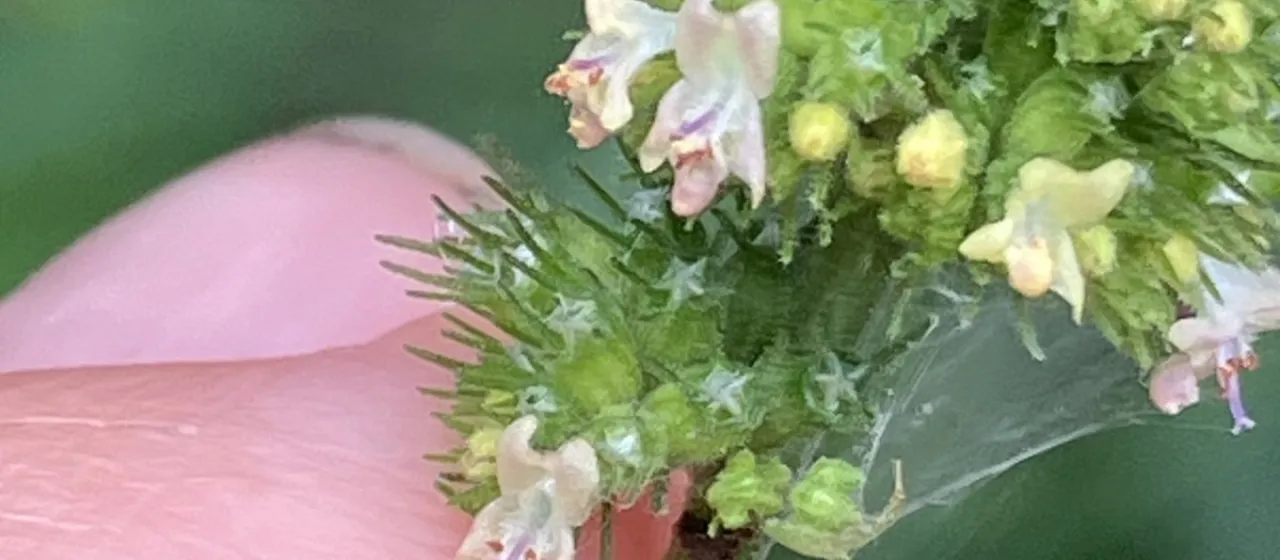
Botanically, the plant is characterized by its distinct pectiniform (comb-like) inflorescences that house numerous small, nectar-rich flowers. Its leaves are serrated and pubescent, often releasing a pungent, aromatic scent when crushed. The root system is relatively shallow, which makes the plant responsive to surface irrigation and soil moisture management, yet it remains drought-tolerant once fully established.
For successful agricultural production, Hyptis pectinata requires well-drained soil with a slightly acidic to neutral pH. Although it is a hardy plant, professional agronomic management involves regular spacing to ensure adequate airflow, which prevents fungal outbreaks. It generally requires minimal fertilization, making it a low-input crop, but it demands full sun exposure to maximize the concentration of secondary metabolites in its foliage.
The economic value of this crop is multifaceted, including:
- Extraction of essential oils with potential industrial antimicrobial properties.
- Use in traditional medicine for wound healing and anti-inflammatory treatments.
- Development of botanical pesticides to deter common crop-damaging insects.
The primary threats to the crop include various lepidopteran larvae that target the leaves and fungal pathogens that thrive in high-humidity conditions. Maintaining proper drainage and monitoring for signs of wilt are essential practices for farmers aiming to maintain healthy stands of this species.