
Description
Pignut (Hyptis suaveolens) is an annual aromatic herb belonging to the Lamiaceae family. This crop is highly valued for its dense concentration of essential oils, which are rich in bioactive compounds. While often treated as a wild plant, its cultivation is becoming increasingly important in tropical agriculture as a source of raw materials for various industries.
The plant is native to the tropical regions of Central and South America. Over centuries, it has spread across tropical zones in Africa, Asia, and Australia. In many of these areas, it has adapted to diverse climatic conditions, allowing it to thrive in both agricultural fields and fallow lands. It is a highly resilient species, often outcompeting other herbs in favorable environments.
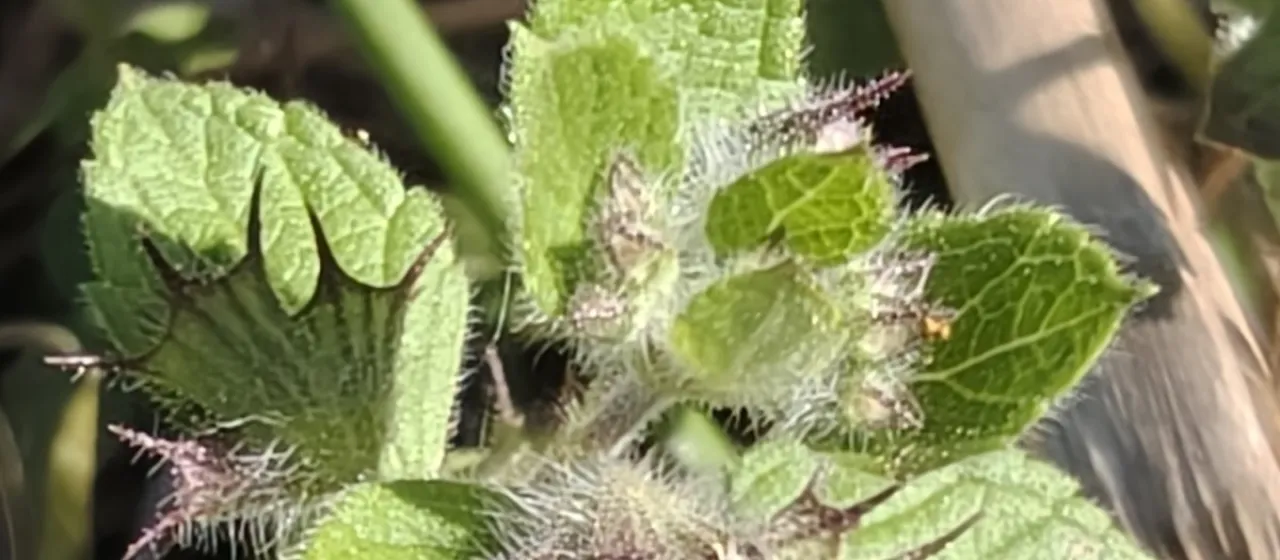
Botanically, Pignut is characterized by its erect, square stems and ovate leaves, which emit a pleasant, pungent scent when crushed. It typically grows to a height of one to two meters. The small, blue to purple flowers are arranged in clusters, providing significant nectar for pollinators throughout the growing season.
The ideal growing conditions for Pignut involve well-drained sandy or loamy soils and direct sunlight. It is a thermophilic crop that requires consistent warmth to reach its full production potential. Proper agricultural management involves spacing plants adequately to ensure good airflow and implementing controlled weeding practices during the early establishment phase to promote vigorous development.
Industrial and agricultural uses are varied:
- Extraction of essential oils for fragrance and flavor industries.
- Production of botanical insecticides for sustainable pest control.
- Use of leaves and seeds in traditional medicine practices.
- Potential research as a source of biofuels or specialized industrial lubricants.