
Description
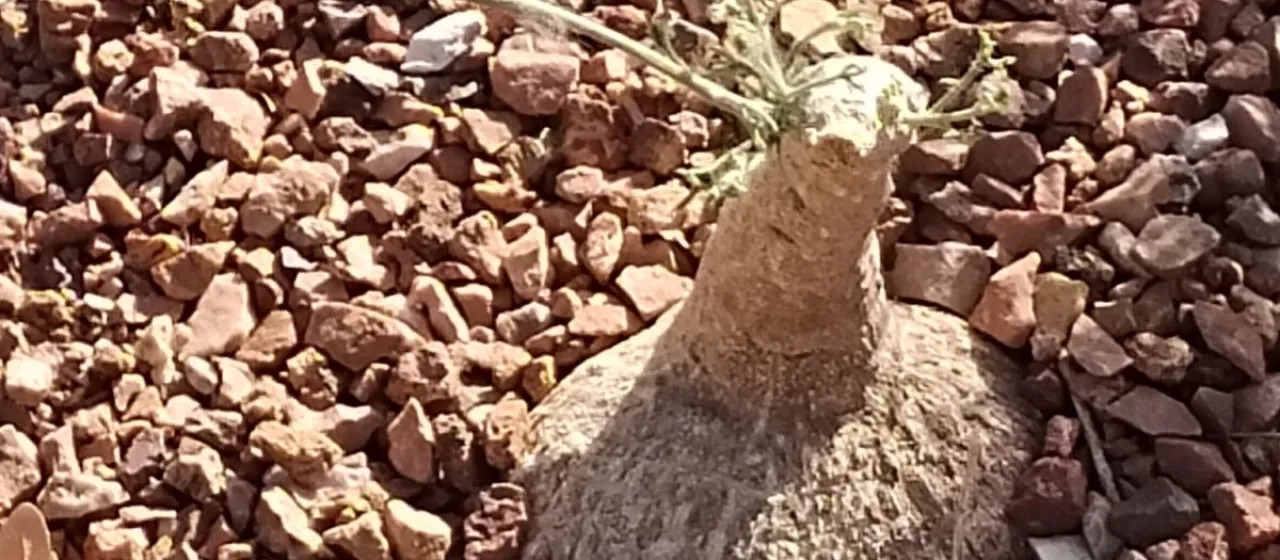
Ibervillea sonorae is a fascinating member of the Cucurbitaceae family, known for its unique caudex—a thickened, water-storing stem that allows the plant to survive in arid environments. Originating from the desert regions of Sonora, Mexico, this plant has evolved distinct physiological adaptations to thrive in harsh climates with irregular precipitation and high temperatures.
The botanical structure of the plant is centered around its caudex, which can develop into a massive, corky, and often tuberous shape above or slightly below the soil surface. During the growing season, it produces thin, climbing vines with lobed foliage and small yellow blossoms. After pollination, the plant develops spherical, decorative fruits that resemble miniature watermelons, reflecting its botanical classification within the gourd family.
Climate and cultivation requirements for Ibervillea sonorae necessitate full sun exposure and a well-ventilated environment. It is crucial to replicate its native desert rhythm by providing water only during the active growing phase. Once the plant begins to shed its leaves in preparation for dormancy, all irrigation must cease to prevent the caudex from rotting due to cold-induced waterlogging.
Soil management is critical for the success of this culture. The substrate must be highly porous and inorganic, typically composed of coarse sand, pumice, or expanded clay. The plant does not tolerate heavy or water-retentive peat-based soils. Proper drainage is the most vital factor in maintaining the health of the caudex and the root system throughout the year.
In terms of usage, the plant is highly sought after by collectors of caudiciforms and xerophytic plants for its ornamental value. While generally hardy, the plant is susceptible to root rot if overwatered. Common pests include spider mites and mealybugs, which may thrive in low-humidity environments. Regular inspection and maintaining appropriate airflow are the best preventive measures against these infestations.
- Needs high light intensity for optimal growth.
- Strict adherence to a winter dormancy period without water.
- Use of fast-draining, mineral-based growing media.
- Protection against high humidity and stagnant air.