
Description
Isachne kunthiana is a perennial grass species belonging to the Poaceae family. Recognized for its resilience and specific environmental requirements, this plant serves as a vital component in various ecosystems, particularly in regions where moisture management is key to maintaining healthy vegetation covers.
The plant originates from diverse regions in Asia, thriving in tropical and subtropical climates. It is typically found in lowland areas, wetlands, and near riparian zones. Its natural habitat is characterized by high humidity and consistent water availability, which allows the species to maintain its lush growth patterns throughout the year.
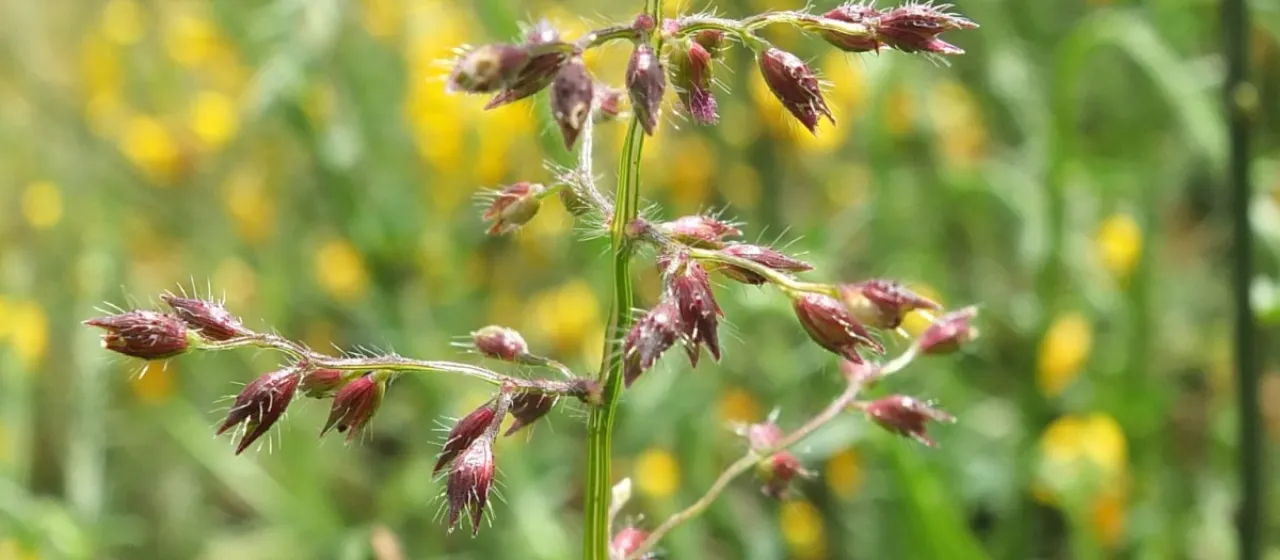
Botanically, Isachne kunthiana is distinguished by its creeping stems and dense foliage. It often forms spreading mats that cover the ground effectively. The inflorescence is a delicate panicle, typical of the Panicoideae subfamily, producing small, wind-pollinated spikelets that are essential for the propagation and biodiversity of local grasslands.
Cultivation requirements focus on maintaining soil moisture and ensuring adequate nutrient levels. While it is hardy in its preferred environment, it can be sensitive to prolonged drought, which hinders its development. In an agricultural setting, it is recommended to monitor soil health and ensure that the plant is not subjected to heavy mechanical stress during its initial growth phase.
The agricultural usage of Isachne kunthiana is primarily focused on forage production. It is highly valued as a grazing grass due to its palatability for livestock and its ability to recover quickly after being grazed. Furthermore, its root structure provides excellent soil stabilization, making it an ideal choice for planting in areas prone to erosion and minor flooding.
- Excellent tolerance for damp and waterlogged soil conditions.
- High nutritional value as natural livestock forage.
- Strong root system for effective erosion control.
- Rapid regeneration following livestock grazing.